



This SEO guide explains SEO fundamentals, keyword research, on-page, off-page, and technical optimization. It offers step-by-step strategies, best practices, and tools to improve rankings, increase organic traffic, and build long-term search visibility for websites growth.
Welcome to your complete SEO Guide —a master resource designed to make search engine optimization truly accessible and actionable. If you’re overwhelmed with conflicting advice online, this SEO Tutorial will provide clarity by breaking everything down into clear steps, backed by SEO Best Practices that have been tested and proven.
SEO has never been a static discipline. Search engines update their algorithms hundreds of times a year, and techniques that worked yesterday may be obsolete tomorrow. This means you need not just a one-time SEO strategy, but a durable SEO Guide to navigate shifting tides. Here’s exactly how this SEO Guide will help you outshine the competition:
- Start with core principles: Learn the “why” behind the SEO Best Practices, so you can adapt your approach as algorithms evolve.
- Step-by-step project structure: The SEO Tutorial provides logical progression. You won’t jump from keyword research to site speed tips without understanding the interconnections.
- Practical, actionable advice: Each section translates theory into specific action items you can implement right away—no matter your skill level.
Let’s explore your blueprint to organic growth by building on the essentials and advanced steps.
Understanding SEO Fundamentals in this SEO Guide
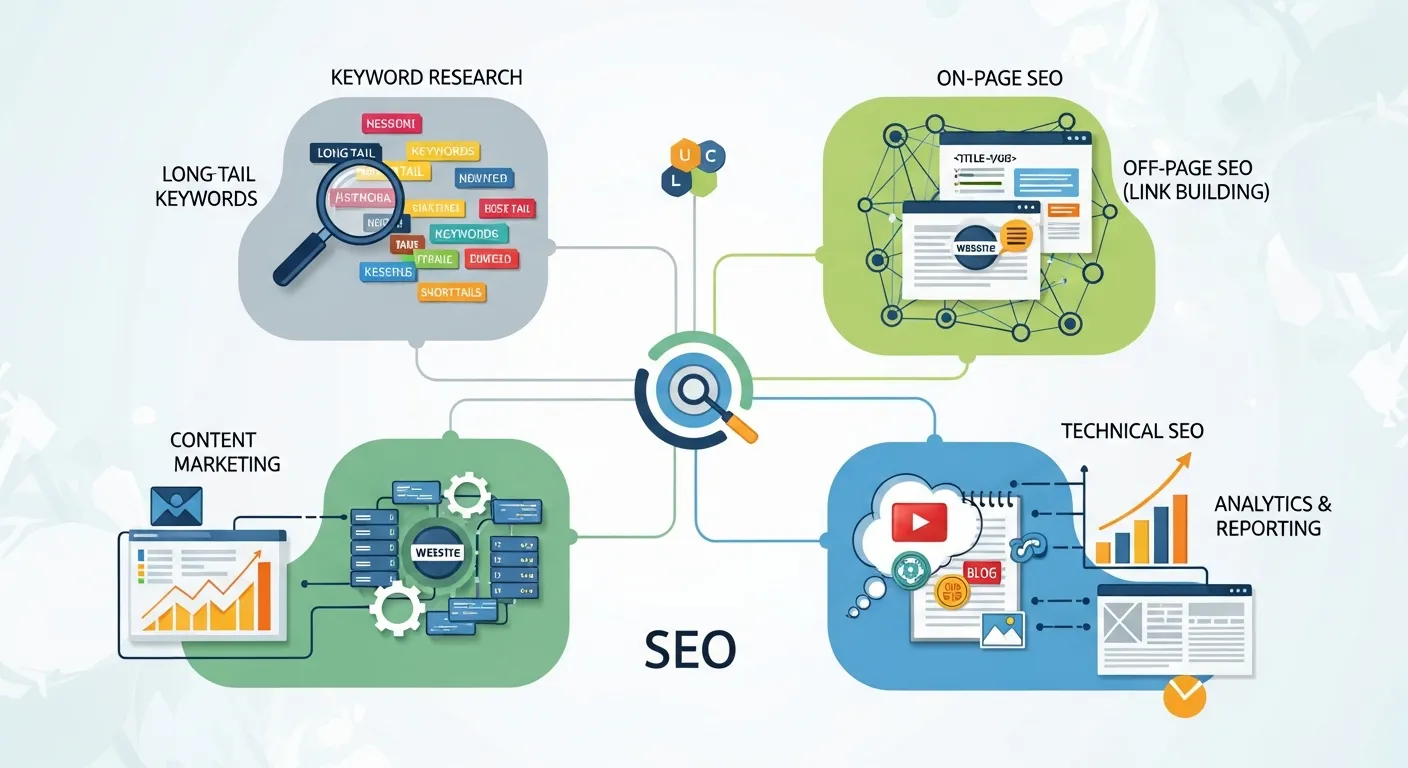
This SEO Guide begins with a foundational explanation—why search optimization is different from other digital disciplines like paid search or social media ads.
The Role of Search Engines in Visibility
Search engines use complex algorithms that weigh hundreds of ranking factors to determine page position. This SEO Guide urges you to see Google and Bing as sophisticated curators: they want to send users to the best, most relevant experiences. If you want your site to stand out, your SEO Tutorial must focus not only on keywords, but also answer intent, deliver real value, and provide a seamless experience.
Key Ranking Factors: Relevance, Authority, and UX
Every successful SEO Guide teaches you to balance relevance (content matches queries), authority (other sites cite or reference you), and user experience (navigation, page speed, and accessibility). These “signals” are the core of your SEO Best Practices.
Key Point Table: SEO Pillars
SEO Pillar
Definition
Example Action
Relevance
Content closely matches what searchers want
Map keywords to user intent and refine content
Authority
External sites link to or mention your site
Get quality backlinks from trusted domains
User Experience
How easily users (and bots) use your site
Improve mobile navigation and load times
Deep Dive: The Three Pillars of Search Optimization
A robust SEO Guide outlines the three pillars you must get right.
On-Page SEO: Content and HTML Optimization
The SEO Tutorial for On-Page SEO includes:
- Writing titles and meta descriptions that drive clicks and incorporate your primary keywords.
- Structuring content with H2, H3, and H4 headers for easier readability, better crawlability, and improved topic focus.
- Including internal links between pages, which helps search engines understand content hierarchy.
SEO Best Practices recommend using schema markup to provide context for search crawlers and encourage rich results (like ratings, FAQ, or event details).
Off-Page SEO: Building Authority
This pillar in your SEO Guide is all about amplifying your presence outside your website:
- Pursue natural backlink acquisition through high-quality content, guest posts, or mentions in industry roundups.
- Engage on reputable forums or partner sites in your niche.
- Leverage social sharing to reach new audiences and attract indirect signals like branded searches or citations.
Technical SEO: Site Health and Performance
Your SEO Tutorial doesn’t stop at content—healthy technical foundations are vital:
- Optimize core web vitals for speed, responsiveness, and visual stability.
- Use HTTPS for all pages; non-secure sites lose trust and rankings.
- Maintain a clean site structure with a well-formatted XML sitemap and updated robots.txt.
Quick SEO Best Practices Checklist:
- Mobile responsive design
- Fast load times (under 2.5 seconds)
- Proper use of canonical tags
- Structured data with Schema.org where applicable
Conducting Effective Keyword Research: The SEO Guide Approach

No SEO Guide is complete without a strong keyword research SEO Tutorial. Here’s how you master this step:
1. Starting with Seed Keywords
Start each campaign with 3–6 core themes or products/services. For a fitness website, these might be “home workouts,” “nutrition tips,” and “muscle recovery.”
2. Using Keyword Tools Efficiently
Plug seed ideas into keyword tools (Google Keyword Planner, Ahrefs Keywords Explorer, or SEMrush) to uncover:
- Search volume (how many people look for a term)
- Difficulty score (how hard to rank)
- Search intent
Recognize different query types: “how to start home workouts” (informational), “best protein powder” (commercial), and “buy yoga mat online” (transactional).
3. Mapping Keyword Clusters
Your SEO Tutorial methodology:
- Cluster keywords around similar intents (all “home workout” variations together)
- Build pillar pages for clusters and supporting posts for subtopics
- Track ranking progress in a master sheet
Sample Keyword Cluster for “Home Workouts”
Cluster
Supporting Keywords
Content Ideas
Home Workouts
bodyweight exercise, no-equipment
“10 Bodyweight Workouts”
Fitness Equipment
best home gym setups, resistance
“Guide to Setting Up Home Gym”
Nutrition
meal prep, post-workout shakes
“Easy Meal Prep for Fitness”
For additional keyword research insight, visit What is SEO? Learn the basics.
Creating Content with This SEO Tutorial
Your next big SEO Guide step: turn keyword research into on-page wins.
SEO Best Practices for Titles, Headers, and Meta
- Place your target keyword in the beginning of your page title and at least one sub-header.
- Meta descriptions should be punchy, clear, and incentivize the user to click.
Quick On-Page SEO Steps:
- Use H2s for each major theme, H3s for details
- Write at least 600–1200 words per major page for topical depth
- Add FAQ, how-to steps, and bullet point summaries for featured snippet potential
Content Depth and User Engagement
Go beyond surface-level writing. Offer step-by-step guides, tips, pros and cons, or comparative tables. Example for “Home Workouts”:
Comparison : Morning vs Evening Workouts
Time of Day
Benefits
Drawbacks
Morning
Boosts energy, easier routine formation
May require waking up earlier
Evening
May improve performance, relieves daytime stress
Can interfere with sleep if too late
A rich, comprehensive SEO Guide not only covers the basics but also delves into real-world advice and unique insights to stand out.
Advanced SEO Best Practices: Technical Optimization
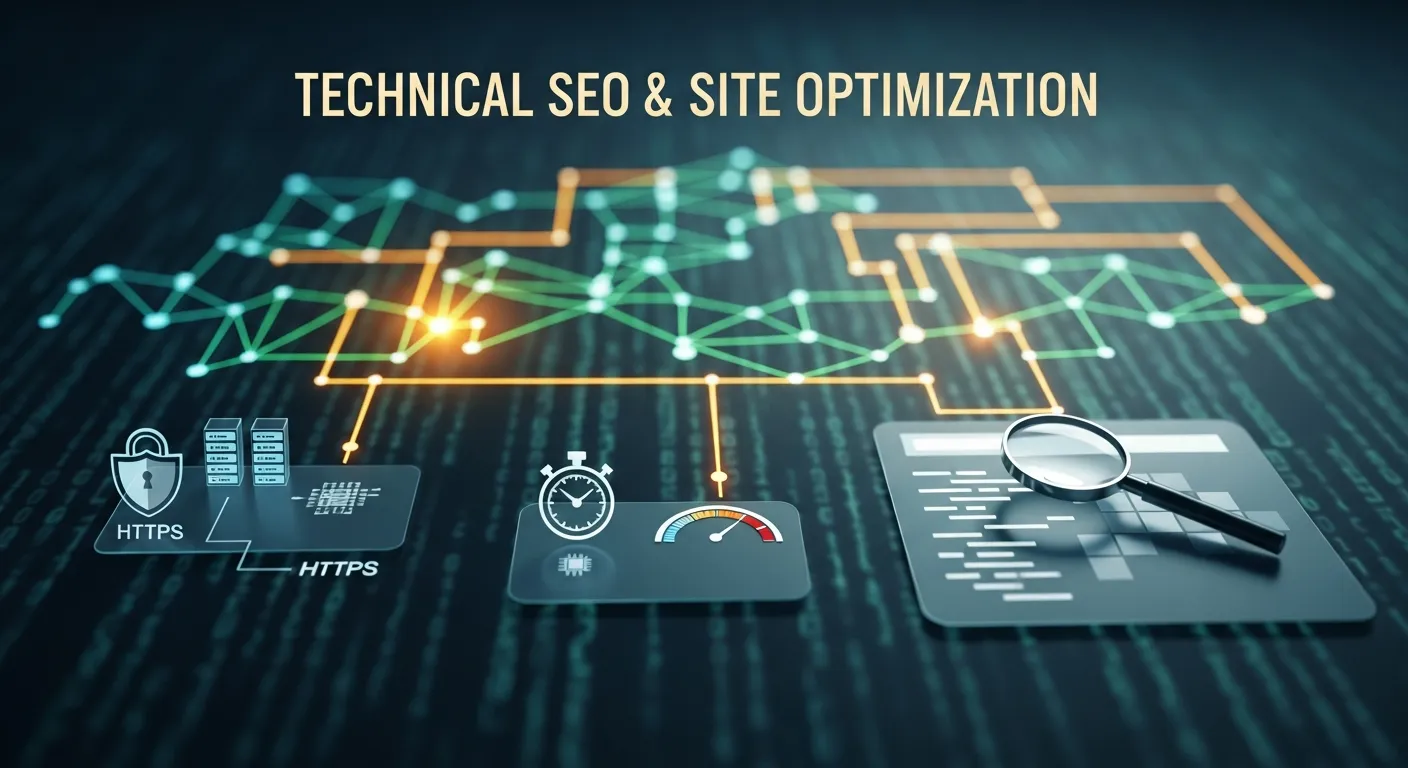
This section of the SEO Guide ensures your site doesn’t get held back by technical roadblocks.
Optimizing for Core Web Vitals
- Compress images and lazy-load where possible
- Use lightweight themes and avoid excessive plugins
- Test frequently with Google PageSpeed Insights and fix flagged issues
Mobile-First SEO Tutorial Steps
- Responsiveness: Use flexible grids, scalable images, and media queries
- Tap targets: Make buttons large enough for mobile users
- Avoid pop-ups blocking content on phones
Schema and Structured Data
- Add Schema.org markup for local businesses, events, recipes, or reviews
- Use the Rich Results Test tool to validate schema implementation
- Improved rich snippets boost click-through and help voice search
Mastering Analytics and Data in This SEO Guide
Essential Tracking for the Modern SEO Tutorial
- Google Analytics: Watch for traffic drops, track conversion rates, and spot which content underperforms
- Google Search Console: Monitor index status, ranking movement, and site errors
SEO Best Practices:
- Set up custom goals in Analytics to match key business targets (purchases, sign-ups)
- Use UTM parameters for campaign tracking
Measuring Results and Pivoting Strategies
- Review ranking, traffic, and engagement monthly
- Update or prune underperforming content quarterly
- Test new user experience improvements, track gains, and apply what works across your site
Integrating Ongoing Learning Into Your SEO Guide
Search engine optimization evolves rapidly. Subscribe to credible SEO blogs, follow experts on social media, and join industry forums.
Recommended Ongoing Learning Steps
- Review one SEO Best Practices article per week
- Experiment with new SEO Tutorial tactics monthly (eg. video SEO, internal linking methods)
- Attend at least one SEO webinar/virtual summit per quarter
By taking a continuous learning approach, your SEO Guide will always remain up-to-date and effective.
Bonus Section: Top SEO Guide Mistakes and How to Avoid Them
1. Ignoring Technical SEO Audits
Neglecting technical audits can let errors persist undetected for months. An effective SEO Guide recommends quarterly checks using tools like Screaming Frog or Sitebulb.
2. Chasing Only High-Volume Keywords
Don’t skip long-tail or low-competition keywords—these often provide faster wins, support topical authority, and attract high-intent visitors.
3. Over-Optimizing or Under-Optimizing
Stuffing keywords is a relic of the past—implement SEO Best Practices by prioritizing user experience and search intent instead.
4. Not Measuring, Not Adapting
Use your analytics insights to drive continuous improvement. Inflexibility is the enemy of effective SEO.
Visual Summary Table: Step-by-Step SEO Guide Workflow
|
Step |
Action Item |
Tools/Resources |
|---|---|---|
|
1. Foundation |
Study SEO Tutorial & Best Practices |
Ahrefs, Google SEO Guide |
|
2. Keyword Research |
Build keyword clusters |
SEMrush, Google Keyword Planner |
|
3. Content Optimization |
On-page, headers, meta |
Yoast SEO, Rank Math |
|
4. Technical Setup |
Speed, mobile, schema |
Screaming Frog, Lighthouse |
|
5. Analytics & Tracking |
Set up GA/GSC, review monthly |
Google Analytics & Search Console |
|
6. Iterative Improvement |
Update, test, re-optimize |
Ongoing audits |
With this expanded and detailed SEO Guide, you now have a robust roadmap. Follow the SEO Tutorial steps, establish SEO Best Practices, and ensure your learning never stops. Success is iterative—optimize, test, and refine your strategy for ongoing growth and higher rankings.
Are you struggling to get your website noticed by search engines? You are not alone. Millions of websites compete for the coveted top spots on Google, making visibility a major challenge. However, mastering search engine optimization does not require a magic wand. It requires a clear, actionable strategy. This comprehensive SEO Guide provides exactly that. We designed this detailed SEO Tutorial to help you understand how algorithms work, what users want, and how to combine both for maximum visibility.
Search Engine Optimization (SEO) involves deliberate, calculated steps designed to improve your website ranking on search engine results pages (SERPs). When you execute SEO Best Practices correctly, your website drives targeted organic traffic, amplifies brand credibility, and generates quality leads without the ongoing cost of paid advertising. Competition for top positions is fierce, making it crucial for website owners to adopt a structured, modern approach.
This SEO Guide lays out a proven roadmap to help you master every single dimension of optimization. From foundational theories to advanced tactics, you will discover practical advice you can implement immediately. We cover critical elements, including keyword research, on-page optimization techniques, and technical site enhancements. By following this SEO Tutorial, you will craft a robust plan that perfectly aligns with modern SEO Best Practices. Let us begin this journey to unlock your website’s true potential.
Understanding SEO Fundamentals in this SEO Guide
At its core, search optimization is about aligning your content and website structure with the exact needs of your target audience. Search engines like Google and Bing use sophisticated algorithms to evaluate relevance, authority, and user experience. Your goal is to satisfy these strict criteria by delivering high-quality information in a technically sound environment. This SEO Guide will teach you how to build that environment.
The Three Pillars of Search Optimization
To succeed, you must recognize that optimization encompasses three main pillars. Any effective SEO Tutorial will break these down as follows:
- On-Page SEO: This involves optimizing individual content elements. You focus on title tags, headings, and meta descriptions to signal high relevance to search engines.
- Off-Page SEO: This centers entirely on building a strong backlink profile. You earn reputable external links, social mentions, and influencer outreach to build domain authority.
- Technical SEO: This ensures your site architecture, indexing, and overall performance meet strict search engine requirements.
Why You Need an SEO Tutorial Today
Understanding user intent is incredibly important for modern search success. Search queries generally fall into four categories: informational, navigational, transactional, or commercial investigation. Tailoring your content to address these specific intents drastically increases your chances of ranking.
By adopting a user-centric mindset, you create pages that resonate with both search algorithms and human readers. To build a strong foundation before diving deeper into our SEO Guide, you can review the basics of search optimization through an external resource.
Read more about the fundamentals here: What is SEO? Learn the basics
Breaking Down Core SEO Best Practices
Effective strategies require a holistic approach that addresses multiple ranking signals simultaneously. Dividing your efforts among on-page, off-page, and technical components ensures that you never overlook a critical aspect. This section of our SEO Guide highlights the exact SEO Best Practices you must follow.
On-Page SEO Essentials
On-page optimization focuses entirely on making individual pages signal total clarity and relevance. This is a critical step in any SEO Tutorial. Key tasks include crafting highly descriptive title tags under 60 characters. You must also leverage meta descriptions to drive click-through rates and structure your content with proper heading tags.
Crafting Perfect Title Tags
Your title tag is the most important on-page ranking factor. You must incorporate your focus keyword naturally near the beginning of the title. However, you must avoid aggressive over-optimization that can lead to manual penalties. Use synonyms and related phrases to reinforce the context of the page naturally.
Meta Descriptions That Convert
While meta descriptions do not directly impact rankings, they drastically impact your click-through rate. A higher click-through rate signals to Google that your page is relevant. Write compelling descriptions under 160 characters that promise a clear solution to the user’s search query. Following these SEO Best Practices guarantees better engagement.
Off-Page SEO Strategies
Off-page signals tell search engines that other reputable websites trust your content. Earning high-quality backlinks from authoritative domains remains the primary goal of off-page optimization. You should engage in targeted guest posting on industry blogs, participate in niche forums, and collaborate with influencers.
Monitor your backlink profile regularly to identify and disavow highly toxic links that may harm your rankings. This SEO Guide highly recommends focusing on quality over quantity when acquiring new backlinks.
Technical SEO Mastery
Technical optimization underpins your entire strategy. It ensures search engines can efficiently crawl, index, and render your content without hitting errors. This SEO Tutorial emphasizes that without a strong technical foundation, your amazing content will remain invisible.
To ensure you follow the absolute standard guidelines set by search engines, you should consult official documentation.
Technical SEO Best Practices Checklist
|
Technical Element |
Description |
Impact on Rankings |
|---|---|---|
|
Site Speed |
Pages must load in under 2.5 seconds. |
High impact on user experience and mobile rankings. |
|
Mobile Responsiveness |
The site must adapt to all screen sizes automatically. |
Critical for Google’s mobile-first indexing. |
|
SSL/HTTPS |
The site must encrypt user data securely. |
Mandatory baseline ranking factor. |
|
XML Sitemaps |
A map of all important URLs on your site. |
Helps search bots discover new content quickly. |
Conducting Effective Keyword Research
Keyword research acts as the absolute cornerstone of any successful campaign. By identifying the exact terms your audience types into Google, you can tailor your content to match their search intent perfectly. This section of our SEO Guide walks you through the research phase.
Seed Keywords and Brainstorming
Begin your research by listing core topics related directly to your niche. These initial “seed keywords” serve as the foundation for much deeper exploration. For instance, a financial blog might start with “budgeting,” “investing,” and “saving money.” Once you have your seeds, this SEO Tutorial recommends plugging them into advanced research tools.
Search Intent Classification
As mentioned earlier in this SEO Guide, you must classify keywords by their intent categories. Content that perfectly satisfies user intent increases engagement metrics drastically.
- Informational Intent: Users want answers. Target these with comprehensive blog posts and guides.
- Navigational Intent: Users want a specific website. Target these with clear brand pages.
- Transactional Intent: Users want to buy. Target these with optimized product pages and clear calls to action.
By methodically researching and organizing your keywords, you set the stage for highly targeted content. This aligns with top SEO Best Practices and drives sustainable organic success.
Step-by-Step SEO Tutorial for Content Creation
Once you have your comprehensive keyword list, it is time to optimize your pages for maximum search impact. Effective content creation balances strict technical precision with human-centric writing. This SEO Tutorial provides the framework for writing content that ranks.
Structuring Your Content
Use H2, H3, and H4 tags to break long content into easily digestible sections. Each specific heading should reflect a clear subtopic and include relevant keywords or natural synonyms. This strict structure enhances overall readability and helps search engines understand the logical flow of your information.
Aim for incredible depth and relevance by answering common questions thoroughly. Provide actionable tips and incorporate real-world examples or case studies. Sprinkle your focus keyword and related terms throughout the body text, but maintain a highly natural language tone.
Internal and External Linking
You must link to relevant internal pages to pass link equity around your website and improve crawlability. Use highly descriptive anchor text that aligns perfectly with your target keywords. Well-placed internal links guide visitors smoothly through your content and reinforce your topical authority.
Additionally, link out to highly authoritative external sources. This demonstrates to search engines that your content is well-researched and credible, which is a major component of modern SEO Best Practices.
Advanced SEO Best Practices for Technical Excellence
Technical excellence lays the groundwork for all other optimization efforts. Without a completely sound infrastructure, even the best content will struggle to rank. This SEO Guide outlines the advanced technical steps you must take.
Core Web Vitals and Site Speed
Fast-loading pages are absolutely essential for both user satisfaction and search rankings. You must leverage browser caching, minify your CSS and JavaScript files, and severely optimize your images. Using a Content Delivery Network (CDN) distributes your server load and speeds up global access to your website.
Mobile Optimization
Responsive design is totally non-negotiable. Mobile devices account for the vast majority of global search traffic. You must test your layout constantly and ensure that all buttons, fonts, and images scale appropriately on small screens. If your site fails on mobile, it will fail on search engines.
Schema Markup and Rich Snippets
Schema markup helps search engines interpret your complex content and display rich snippets in the search results. Whether you are marking up local business events, product reviews, or FAQs, structured data boosts your click-through rates. Implementing proper schema is a high-level step in this SEO Tutorial that separates amateurs from professionals.
Tracking and Measuring Your SEO Success
You cannot improve what you do not measure. A complete SEO Guide must include instructions on tracking your data. Setting up the right analytics tools ensures you know exactly which SEO Best Practices are working for your specific website.
Setting Up Analytics
Install Google Analytics and Google Search Console immediately. These free tools provide massive insights into your traffic sources, user behavior, and keyword performance. Monitor your organic sessions, bounce rates, and total conversions diligently.
Continuous Improvement
Search optimization requires continuous refinement. Review your data monthly to identify pages that are losing traffic. Update outdated content, build new internal links, and refresh your title tags. By treating optimization as an ongoing process rather than a one-time project, you ensure long-term visibility. Follow this SEO Tutorial consistently, and your traffic will compound over time.
Frequently Asked Questions
What exactly is search engine optimization?
Search engine optimization is the deliberate process of improving your website to increase its visibility on search engines. By applying specific SEO Best Practices, you make your site more attractive to search algorithms. This results in higher organic rankings and more targeted website traffic.
How long does it take to see organic rankings improve?
You will typically see noticeable improvements in three to six months. The timeline depends heavily on your niche competition, your content quality, and the technical health of your website. Consistent effort over many months yields the best long-term results.
Is keyword research still relevant for optimization?
Keyword research remains incredibly relevant for understanding exactly what your audience wants to find. The focus has simply shifted toward satisfying search intent rather than blindly stuffing keywords into text. An effective SEO Tutorial will always start with thorough keyword research.
What is the difference between on-page and off-page tactics?
On-page tactics involve optimizing the content and HTML elements directly on your website. Off-page tactics focus entirely on building your domain authority through external backlinks and social signals. You can explore these strategies deeply by reviewing this complete blueprint on SEO tactics for comprehensive guidance.
How often should I conduct a technical site audit?
You should conduct a complete technical site audit at least once every quarter. You should also run an audit immediately after making massive structural changes to your website. This ensures optimal crawlability and prevents hidden errors from destroying your rankings.
Why is mobile optimization a critical ranking factor?
Search engines now primarily use the mobile version of your website for indexing and ranking purposes. If your site provides a terrible mobile experience, your rankings will plummet across all devices. Mobile optimization is a non-negotiable standard within modern SEO Best Practices.
How do backlinks improve my website’s authority?
Backlinks act as digital votes of confidence from other websites across the internet. When authoritative domains link to your content, search engines view your website as highly credible and trustworthy. Building strong backlinks is a core focus outlined in this complete blueprint on SEO tactics to boost your authority.
What is search intent and why does it matter?
Search intent describes the primary goal a user has when typing a query into a search engine. Satisfying this intent is crucial because search engines prioritize pages that give users exactly what they want. Your content must align with informational, navigational, or transactional intent perfectly.
Do I need to hire an agency to rank my website?
You do not strictly need an agency if you are willing to learn and apply optimization techniques yourself. Following a detailed SEO Guide allows you to make massive improvements independently. However, agencies can save you time and execute complex technical strategies much faster.
How does site speed affect my search visibility?
Slow websites frustrate users, leading to incredibly high bounce rates and lost conversions. Search engines actively penalize slow sites because they prioritize providing a seamless user experience.
Conclusion
Mastering optimization requires a comprehensive blend of strategic planning, technical proficiency, and ongoing dedication. By understanding fundamental principles and conducting thorough keyword research, you create a website built for long-term success. Implementing the on-page and technical SEO Best Practices outlined in this SEO Guide ensures you meet modern search engine requirements.
Off-page efforts such as high-quality link building perfectly complement your on-site work. Meanwhile, utilizing analytics tools enables smart, data-driven adjustments. Remember that optimization is a constantly evolving discipline; staying informed and highly agile is the key to maintaining your rankings.
Embrace the strategies detailed in this SEO Tutorial today, and you will develop a powerful roadmap to higher search engine visibility. With absolute dedication, striking consistency, and a relentless user-centric focus, you can establish lasting authority in your niche. Start optimizing your website right now, follow these SEO Best Practices, and watch your site climb to the top of the search engine results pages.
