
This blog explains how to learn marketing from fundamentals to advanced strategies, covering SEO, content, social media, analytics, and automation. It emphasizes continuous learning, practical application, and data-driven skills for long-term career growth and adaptability.
Marketing constantly shifts, driven by new technologies and evolving consumer behaviors. Professionals who want to drive revenue and build strong brands must prioritize continuous learning. Relying on outdated tactics often results in wasted budgets and missed opportunities. This comprehensive guide provides a complete roadmap to help you learn marketing from the ground up. You will explore foundational concepts, dive deep into digital marketing execution, and discover the advanced strategies top professionals use to drive growth. By following this structured approach, you can build a resilient skill set that adapts to future industry changes.
Why You Need to Learn Marketing Today
When you decide to learn marketing, you open doors to incredible career opportunities and business growth potential. Every organization, from tiny local startups to massive global enterprises, needs skilled professionals who understand how to attract and retain customers. To learn marketing effectively, you must embrace a blend of creative thinking and analytical execution.
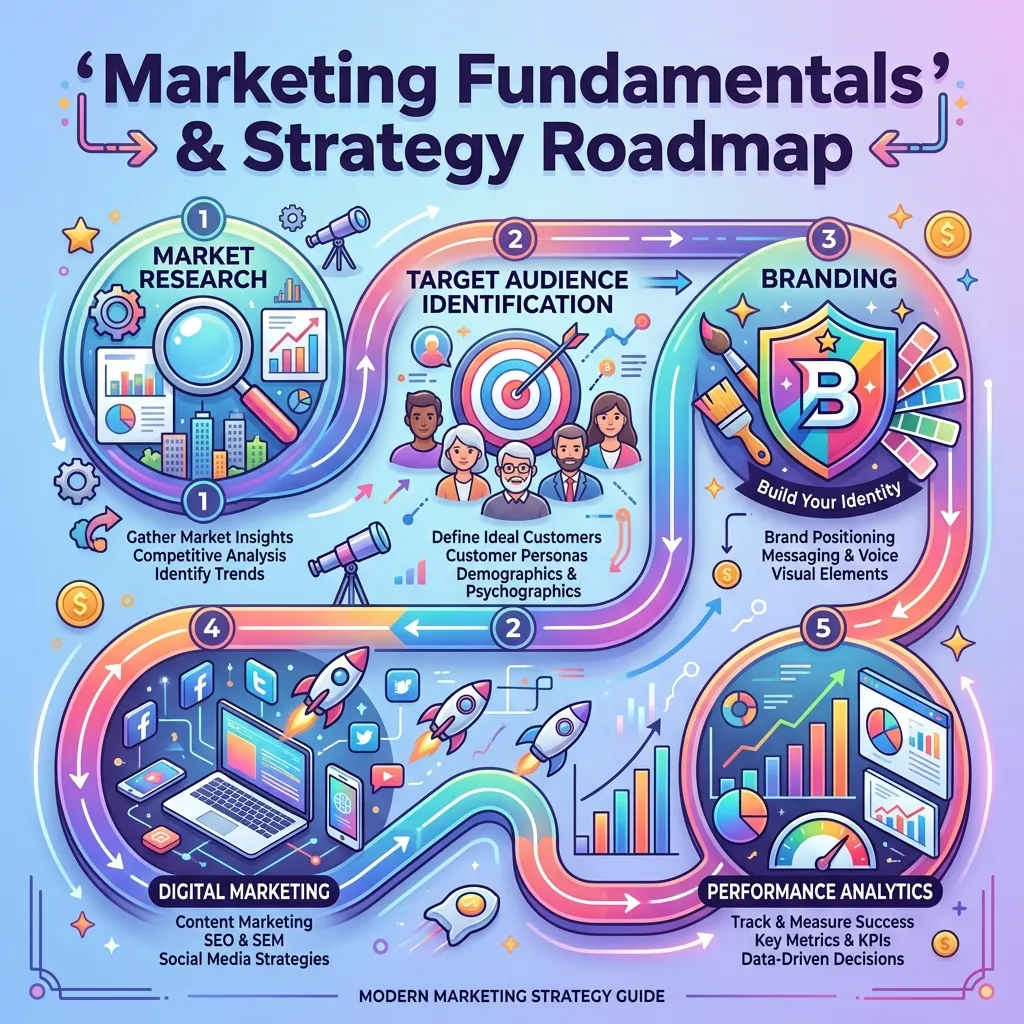
Developing robust marketing skills allows you to understand consumer psychology, analyze market trends, and craft compelling messages that drive action. As you learn marketing, you will discover that it is not just about selling products; it is about creating value, building relationships, and solving problems for your target audience.
The Power of Marketing Beyond Sales
Knowing how to learn marketing isn’t just for those seeking a marketing job—it’s a life skill. Marketing shapes the way we communicate, influence others, and even present ourselves to the world. The ability to market an idea, a cause, or a business can be the difference between success and obscurity. In both professional and personal spheres, marketing know-how allows you to position ideas, rally support, and make an impact.
Marketing Career Versatility
Marketing also grants career flexibility. You can work in industries as varied as fashion, healthcare, technology, nonprofit, finance, and entertainment. The strategies you master when you learn marketing can be applied to virtually any field, giving you an edge in a competitive job market. As the digital world expands, demand for marketers with up-to-date online marketing skills continues to rise.
Understanding Marketing Fundamentals
Before launching complex digital campaigns, every professional must understand the core principles of the discipline. These marketing fundamentals dictate how products reach the market and how brands communicate their value to buyers. When you learn marketing, starting with these basics provides a solid foundation for all future strategies.
The Marketing Mix: The 4 Ps and 7 Ps
The marketing mix represents the fundamental framework for bringing a product or service to market. The traditional 4 Ps include Product, Price, Place, and Promotion.
- Product: Identify the specific problem your offering solves for consumers.
- Price: Determine the cost, factoring in profit margins and perceived value.
- Place: Choose the distribution channels used to deliver the product.
- Promotion: Develop communication strategies used to drive awareness.
For service-based businesses, professionals often expand this to the 7 Ps by adding People, Process, and Physical Evidence. Understanding these elements ensures your campaigns align with the actual business model. For deeper insights into these core concepts, exploring the fundamentals of marketing can provide a structured approach to building your baseline knowledge.
Applying the Marketing Mix in Real Life
The practical use of the marketing mix is essential for those eager to learn marketing in a hands-on way. For example, a small business might analyze its Product by conducting customer feedback surveys (developing listening skills is a core part of learning marketing). It will adjust its Price based on competitor benchmarks and perceived value, select an online vs. offline Place strategy, and craft Promotion that matches its ideal customer. Service providers add the People factor by recruiting and training staff to offer a standout client experience, while Process ensures that operations run smoothly, and Physical Evidence helps customers trust service quality, such as through testimonials or case studies.
Customer Personas and Market Research
Effective online marketing requires a deep understanding of the target audience. Creating detailed customer personas helps you segment your audience based on demographics, psychographics, and purchasing behaviors. When you learn marketing, you realize that speaking to everyone means you speak to no one.
Market research provides the data necessary to build these personas. You can use quantitative surveys and qualitative interviews to gather insights. Speaking directly to a handful of ideal customers often reveals the primary pain points driving their purchasing decisions. Developing these marketing skills is crucial for crafting messages that resonate.
Advanced Persona Development
To propel your learning, go beyond surface-level demographics. Build personas based on real buying behaviors, pain points, aspirations, and content consumption habits. Use social listening tools, customer interviews, and analytics to strengthen your intuition about your buyers. As you gradually learn marketing, you’ll understand how adapting tone, channel, and timing to match various personas drastically boosts conversion rates.
Establishing a Value Proposition
A value proposition is a clear statement that explains how a product solves a customer’s problem, delivers specific benefits, and tells the ideal customer why they should buy from you instead of the competition.
Building Brand Identity
Brand identity supports the value proposition through visual and verbal elements. This includes logos, color palettes, typography, and brand voice. A consistent brand identity builds trust and makes the company recognizable across multiple channels.
The Customer Journey and Sales Funnel
The customer journey maps the entire experience a consumer has with a brand, from initial awareness to post-purchase loyalty. As you learn marketing, you will often structure this journey using a sales funnel.
- Top of the Funnel (Awareness): Focuses on lead generation and capturing attention.
- Middle of the Funnel (Consideration): Nurtures those leads through education and engagement.
- Bottom of the Funnel (Conversion): Drives the final purchase decision.
Mapping your digital marketing strategies to these specific funnel stages drastically improves overall conversion rates.
Beyond the Basics: Loyalty and Advocacy
Savvy marketers know that the journey doesn’t end with a sale. Building powerful post-purchase nurture strategies converts buyers into brand advocates. Reward programs, ongoing education, community forums, and user-generated content campaigns can turn a satisfied customer into a loyal promoter. Learning to implement these advanced approaches is an essential step as you learn marketing for long-term brand growth.
Essential Digital Marketing Strategies
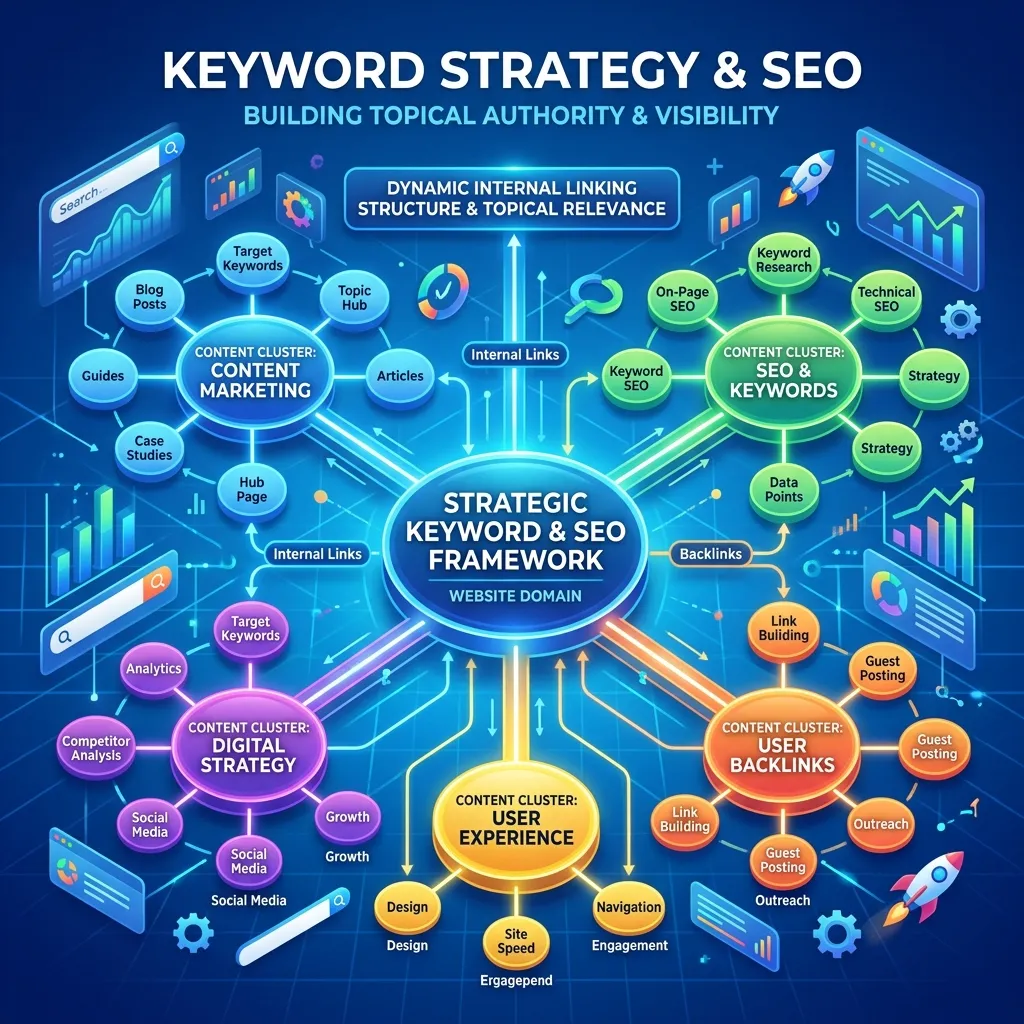
Digital marketing encompasses all online efforts used to reach and engage customers. Mastering these channels is essential for any modern professional. As you learn marketing, you must familiarize yourself with how these distinct digital channels interact to form a cohesive strategy.
Search Engine Optimization (SEO)
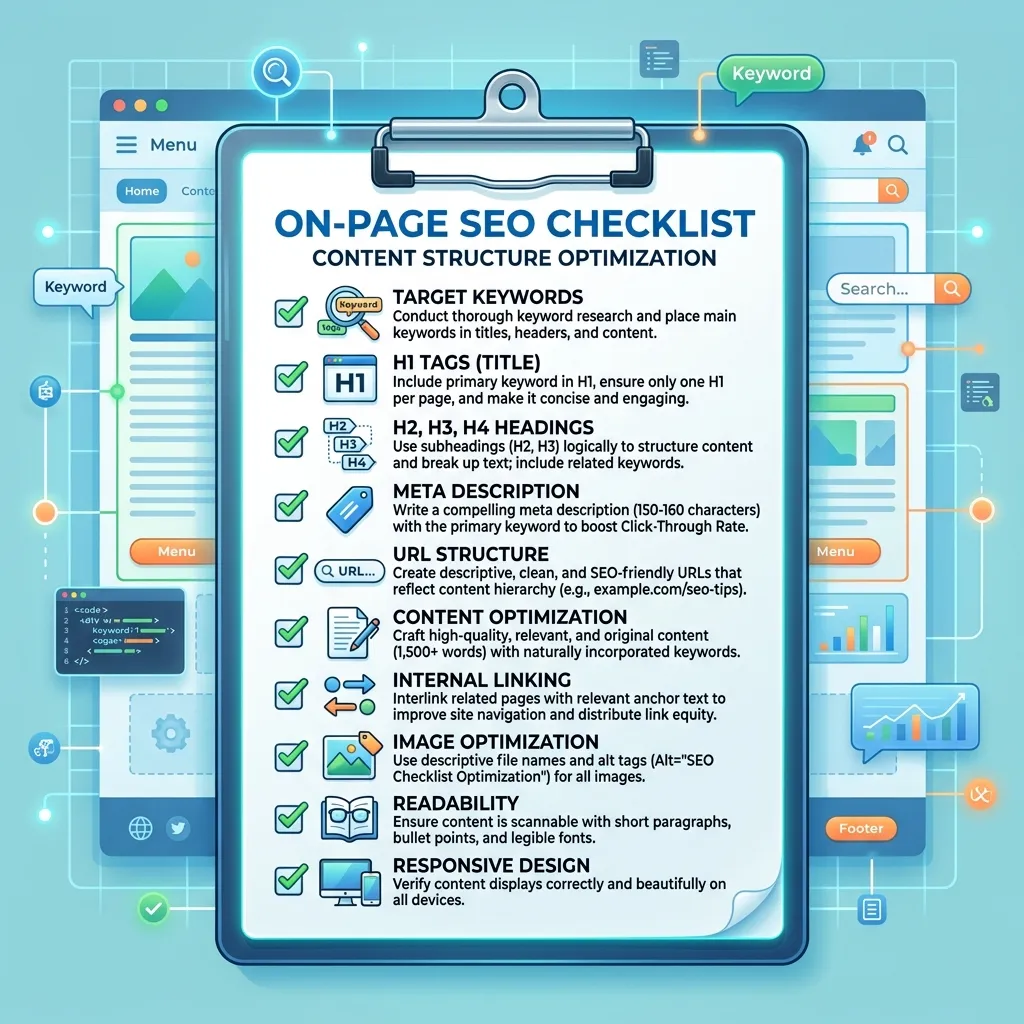
Search Engine Optimization (SEO) is the practice of increasing the quantity and quality of traffic to your website through organic search engine results. When you learn marketing, SEO becomes a vital tool for long-term, sustainable growth.
- On-Page SEO: Involves optimizing individual web pages to rank higher. This includes strategic keyword placement, optimizing title tags, and creating high-quality content that satisfies user intent.
- Off-Page SEO: Focuses on external signals, primarily building authoritative backlinks from reputable websites. Search engines view these backlinks as votes of confidence.
- Technical SEO: Ensures search engines can crawl and index a website efficiently. Key technical elements include site speed, mobile responsiveness, and secure site architecture.
SEO in Action
To deepen your digital marketing expertise, practice by auditing your own blog or a friend’s small business site. Identify SEO opportunities: improve title tags, rewrite descriptions, compress images for faster loading, and seek guest posting opportunities for quality backlinks. The more you experiment, the more you will master this critical piece as you learn marketing.
Content Marketing
Content marketing focuses on creating and distributing valuable, relevant, and consistent material to attract and retain a clearly defined audience. If you want to learn marketing deeply, you must understand how to create compelling content.
Types of content include long-form blogs, engaging videos, informative infographics, and downloadable whitepapers. Each format serves a different purpose in the customer journey. Developing these marketing skills requires a documented approach, using editorial calendars to schedule publications and ensure a consistent flow of material.
Measuring Content Success
Tracking the results of your content campaigns is vital as you learn marketing. Use analytics to identify which pieces drive the most visits, leads, and conversions. Experiment with A/B testing on blog headlines, email subject lines, and social media graphics. This data-driven approach allows you to fine-tune your online marketing efforts continuously.
Social Media Marketing
Social media marketing utilizes social networks to achieve branding goals. Platform selection dictates where a brand should spend its time. B2B companies often prioritize professional networking sites, while B2C retail brands focus heavily on visual discovery platforms.
Community engagement requires consistent two-way communication. Responding to comments, hosting live sessions, and sharing user-generated content fosters brand loyalty. Paid social media advertising allows brands to bypass algorithmic limitations and reach highly specific target audiences.
Influencer and Community Management
Modern online marketing involves partnering with influencers and nurturing active communities. Learn how to vet potential influencer collaborators, negotiate contracts, and co-create authentic content. Hosting contests, launching branded hashtags, and engaging with micro-communities ensures both reach and genuine connection.
Email Marketing Best Practices
Email marketing remains one of the most profitable digital marketing channels, offering direct access to an engaged audience. As you learn marketing, mastering email communication is non-negotiable.
List building and segmentation form the foundation. Capture emails through lead magnets and segment those lists based on user behavior. Campaign creation and workflow automation streamline the communication process, automatically sending sequences of educational emails to new subscribers to nurture them toward a purchase.
Personalization and Automation
Level up your marketing skills by mastering personalized email campaigns. Use dynamic content blocks and behavioral triggers for higher engagement. Set up workflows for onboarding, re-engagement, cart abandonment, and feedback requests, and consistently review your analytics to optimize every outreach.
Traditional vs. Digital Marketing Comparison
As you learn marketing, understanding the difference between traditional and digital approaches is essential. The table below outlines the core differences.
|
Feature |
Traditional Marketing |
Digital Marketing |
|---|---|---|
|
Primary Medium |
Print, TV, Radio, Billboards |
Websites, Social Media, Email, Search |
|
Audience Targeting |
Broad and generalized |
Highly specific and data-driven |
|
Cost Efficiency |
Generally high cost |
Scalable and budget-friendly |
|
Engagement |
One-way communication |
Interactive and two-way communication |
|
Measurement |
Difficult to track exact ROI |
Precise analytics and real-time tracking |
The Blended Approach
While digital dominates modern marketing, traditional methods like direct mail and event marketing are still effective, especially when integrated with digital campaigns. Cross-channel marketing—combining offline and online tactics—maximizes reach and brand consistency.
Advanced Marketing Skills and Strategies
Once you grasp the fundamentals, you can elevate your online marketing efforts by leveraging data, automation, and highly targeted campaigns. To truly learn marketing at an expert level, you must master these advanced methodologies.
Data Analytics and Marketing Measurement
Data analytics removes the guesswork from your decisions. Key Performance Indicators (KPIs) are quantifiable metrics used to evaluate the success of a campaign. Common KPIs include Customer Acquisition Cost, Customer Lifetime Value, and Return on Ad Spend.
Using analytics tools provides granular insights into user behavior. You can track traffic sources, user flows, and conversion events to identify bottlenecks in the customer journey. When you learn marketing analytics, you transition from executing random tactics to driving predictable revenue.
Testing and Optimization
Analytics isn’t just about tracking results; it’s about continuous improvement. Conduct A/B and multivariate tests to refine landing pages and ad creatives. Evaluate attribution models to understand how each touchpoint influences conversions and allocate budget where it makes the largest impact.
Marketing Automation
Marketing automation software streamlines repetitive tasks, allowing your team to focus on strategy and creative execution. Customer Relationship Management (CRM) integration ensures your teams operate from a single source of truth, tracking every interaction a prospect has with the company. Workflow automation triggers specific actions based on user behavior, increasing efficiency and response times.
Integrating AI and Machine Learning
Cutting-edge marketing automation platforms use AI-powered features to segment audiences, personalize offers, and predict outcomes. Learning to use these tools gives you a competitive edge; you can dynamically adjust campaigns in real time, reducing wasted spend and boosting campaign ROI.
Mastering Conversion Rate Optimization (CRO)
Conversion Rate Optimization (CRO) is the process of increasing the percentage of users who take a desired action on a website. As you learn marketing, this skillset will allow you to squeeze every bit of value from existing traffic before investing in new acquisition. Focus on improving user experience, simplifying forms, and leveraging social proof like reviews and testimonials.
Ethical and Inclusive Marketing
Building trust is more important than ever. Learn to create campaigns that are accessible and represent a diverse audience. Inclusive marketing builds brand loyalty while reflecting positive values. Understand regulations such as GDPR and prioritize user privacy. These practices help future-proof your skills and reputation.
How to Continuously Learn Marketing
Marketing mastery is an ongoing process. You must actively seek out new knowledge to maintain a competitive edge. Consuming daily industry news keeps you informed on algorithm updates and platform changes. Reading online marketing blogs or listening to podcasts provides actionable insights from active practitioners.
Connecting with other professionals expands your perspective. Join industry groups, attend local meetups, and participate in online discussions. Theory only takes you so far; the best way to learn marketing is by doing it. Start a personal blog, run a small ad campaign, and build a portfolio of personal projects to demonstrate your practical abilities.
Building a Marketing Learning Plan
Create a personalized marketing learning roadmap:
- Set clear SMART goals (Specific, Measurable, Achievable, Relevant, Time-bound).
- Schedule weekly time blocks for online courses, webinars, and reading.
- Curate a list of trusted marketing resources—including industry-leading newsletters, LinkedIn thought leaders, and podcasts.
- Actively document your learning in a digital notebook, tracking progress, resources used, and key lessons applied to real projects.
- Commit to monthly challenges—like running a Facebook ad with a $10 budget or designing a landing page from scratch.
Certifications and Professional Growth
Consider industry certifications as milestones to benchmark your growth. Programs from HubSpot, Google, or the American Marketing Association signal to employers that you’ve mastered core digital marketing skills. These credentials not only boost your resume but also keep your knowledge current as online marketing landscapes evolve.
Frequently Asked Questions
What is the fastest way to learn marketing?
The fastest way to learn marketing is to combine structured online certifications with immediate hands-on practice. Build a personal website or offer free assistance to a local small business to apply the concepts you learn in real-world scenarios. This active application solidifies your theoretical knowledge quickly.
How do I develop strong digital marketing skills?
You develop strong digital marketing skills by mastering one channel at a time, such as search engine optimization or email automation. Study the marketing fundamentals first, then dedicate time to executing actual campaigns, analyzing the resulting data, and refining your approach based on performance metrics.
Do I need a degree to learn marketing effectively?
You do not need a traditional university degree to learn marketing effectively and build a successful career. Many top professionals are self-taught, relying on industry certifications, intensive bootcamps, and a portfolio of successful real-world projects to prove their online marketing capabilities to employers.
Why are marketing fundamentals so important?
Marketing fundamentals are crucial because they teach you consumer psychology, value proposition development, and market positioning. While digital platforms and advertising algorithms constantly change, human behavior and the core principles of supply, demand, and persuasion remain remarkably consistent across all mediums.
What is the difference between online marketing and digital marketing?
Online marketing and digital marketing are terms that are frequently used interchangeably in the industry. Both refer to utilizing internet-based platforms, mobile devices, search engines, and social media networks to reach targeted audiences, engage potential customers, and drive measurable business revenue.
How much time does it take to learn marketing basics?
You can generally learn marketing basics and grasp the foundational concepts within three to six months of dedicated study. However, achieving true mastery, understanding advanced data analytics, and flawlessly executing cross-channel campaigns requires several years of continuous, on-the-job experience.
Should I specialize or learn all areas of marketing?
Beginners who want to learn marketing should strive to develop a “T-shaped” skill set. This approach means acquiring a broad, foundational understanding of all marketing channels before choosing to specialize deeply in one or two specific areas, such as paid advertising or content creation.
How do I stay updated on new marketing skills?
To keep your marketing skills sharp, you must consume industry news daily through respected marketing blogs, podcasts, and webinars. Networking with other professionals and continuously testing new online marketing tools ensures your strategies remain effective as search engine algorithms and consumer preferences evolve.
Can I learn marketing while working a full-time job?
Yes, you can easily learn marketing while working full-time by dedicating your evenings and weekends to self-paced online courses. You can also listen to educational marketing podcasts during your daily commute and spend a few hours each week building a personal project to practice your new skills.
What role does data play when you learn marketing?
Data plays a massive role when you learn marketing because it removes emotional guesswork from your business decisions. By learning how to read analytics and track user behavior, you can see exactly which online marketing campaigns generate revenue and which strategies require immediate optimization.
