
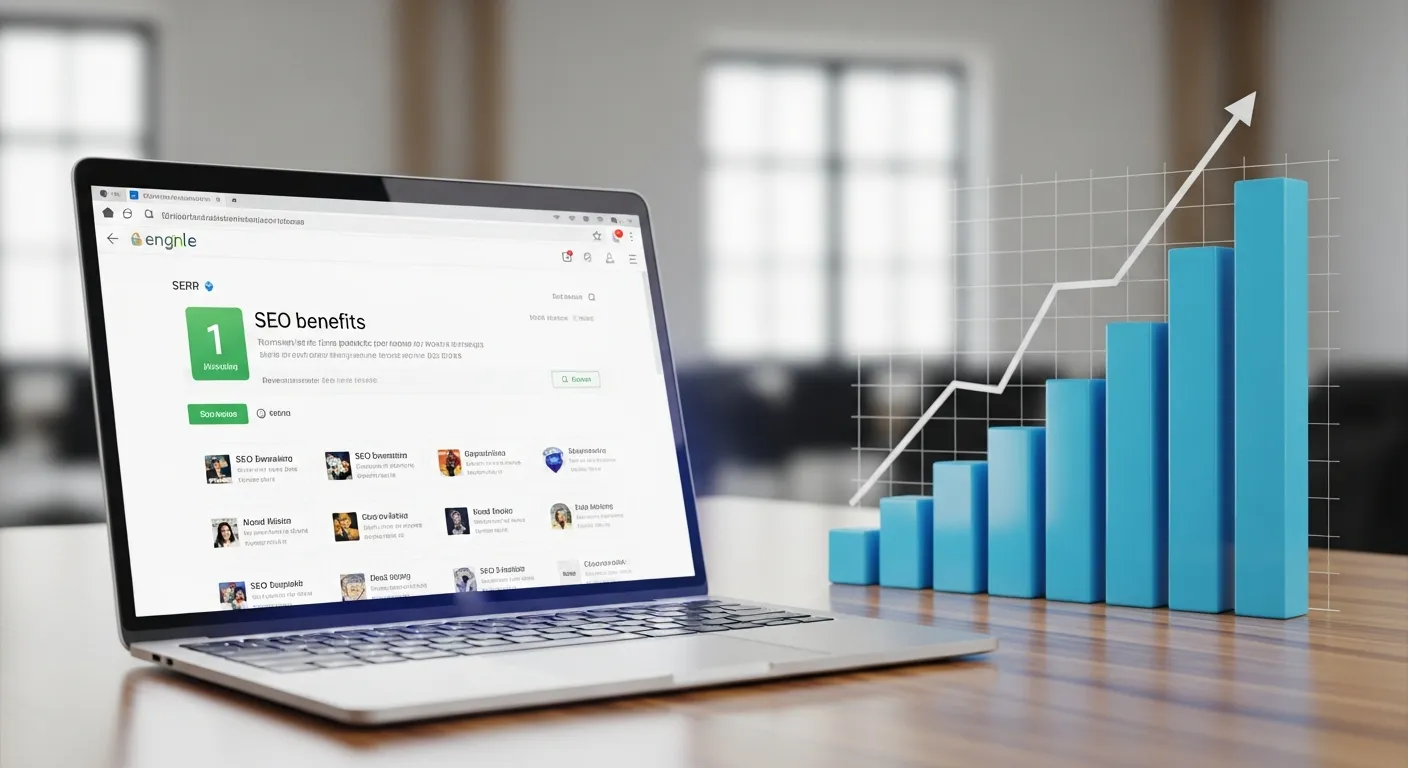
SEO is essential for long-term online growth because it drives organic traffic, builds trust, improves visibility, and increases conversions. Unlike ads, SEO delivers sustainable ROI by strengthening rankings, authority, and user engagement over time.
Search engine optimization is the absolute foundation of online visibility. When people look for products, services, or answers online, they almost always start with a search engine like Google. If your website does not appear near the top of those search results, you are missing out on valuable opportunities to connect with potential customers. This highlights exactly why invest in SEO right now.
Many businesses treat search engine optimization as a mere afterthought. They might build a beautiful website and launch exciting products, only to wonder why their traffic remains completely stagnant. The harsh reality is that building a great website is only the very first step. You also need to ensure people can actually find it when they search.
Investing in SEO means optimizing your website so that search engines understand its profound value. This guide covers exactly why invest in SEO, how it drives organic traffic, and the long-term benefits of SEO for business growth.
How SEO Drives Massive Organic Traffic

Organic traffic refers to the eager visitors who land on your website directly from unpaid search results. Unlike paid advertising, where you pay handsomely for every single click, organic traffic is essentially free once you have firmly established your rankings. Understanding why SEO is important for websites begins with recognizing the power of this organic reach.
The Real Scope of Organic Traffic
When you prioritize SEO for your website, you unlock an ongoing stream of visitors who are already engaged and interested in what you offer. These are not random passersby; they are individuals searching for specific solutions or products. Compared to traditional marketing channels, organic traffic often generates the highest quality leads. In fact, studies have shown that leads generated from organic search have a substantially higher close rate compared to outbound methods like cold calling or direct mail.
Capturing Active Search Intent
One of the main reasons why investing in SEO is so effective is because it captures active search intent. When someone types a query into Google, they are actively looking for critical information, a solution to a nagging problem, or a specific product to buy. By ranking well for those specific keywords, you position your business right in front of a highly engaged audience.
The Power of High-Intent Keywords
Not all keywords are created equal. High-intent keywords usually signal that a user is ready to make a purchase or take a specific action. Targeting these phrases directly highlights the advantages of search engine optimization. It ensures your traffic consists of people actually looking to spend money or engage with your brand.
Building a Content Strategy Around Search Intent
Developing an effective content plan means mapping your topics and keywords to meet the different levels of user intent—from awareness to consideration and, finally, decision stage queries. For example, awareness content could answer general industry questions, whereas decision-stage content might include detailed product comparisons or testimonials. By structuring content this way, you improve your chances of capturing users at various steps of their journey, further boosting organic traffic and brand loyalty.
Increasing Visibility and Click-Through Rates
The vast majority of search engine users never click past the very first page of results. In fact, the top three results typically capture the lion’s share of all clicks. A strong strategy improves your rankings, actively moving your website higher up the page. This increased visibility directly translates to much higher click-through rates.
The Role of Featured Snippets and Rich Results
Modern SEO is not just about appearing on page one—it’s about dominating the top of the results with featured snippets, knowledge panels, and other enhanced listings. These rich results can quickly grab user attention, increase click-through rates, and reinforce your company’s credibility by providing concise, authoritative answers directly within the search page.
Building Brand Credibility and Deep Trust
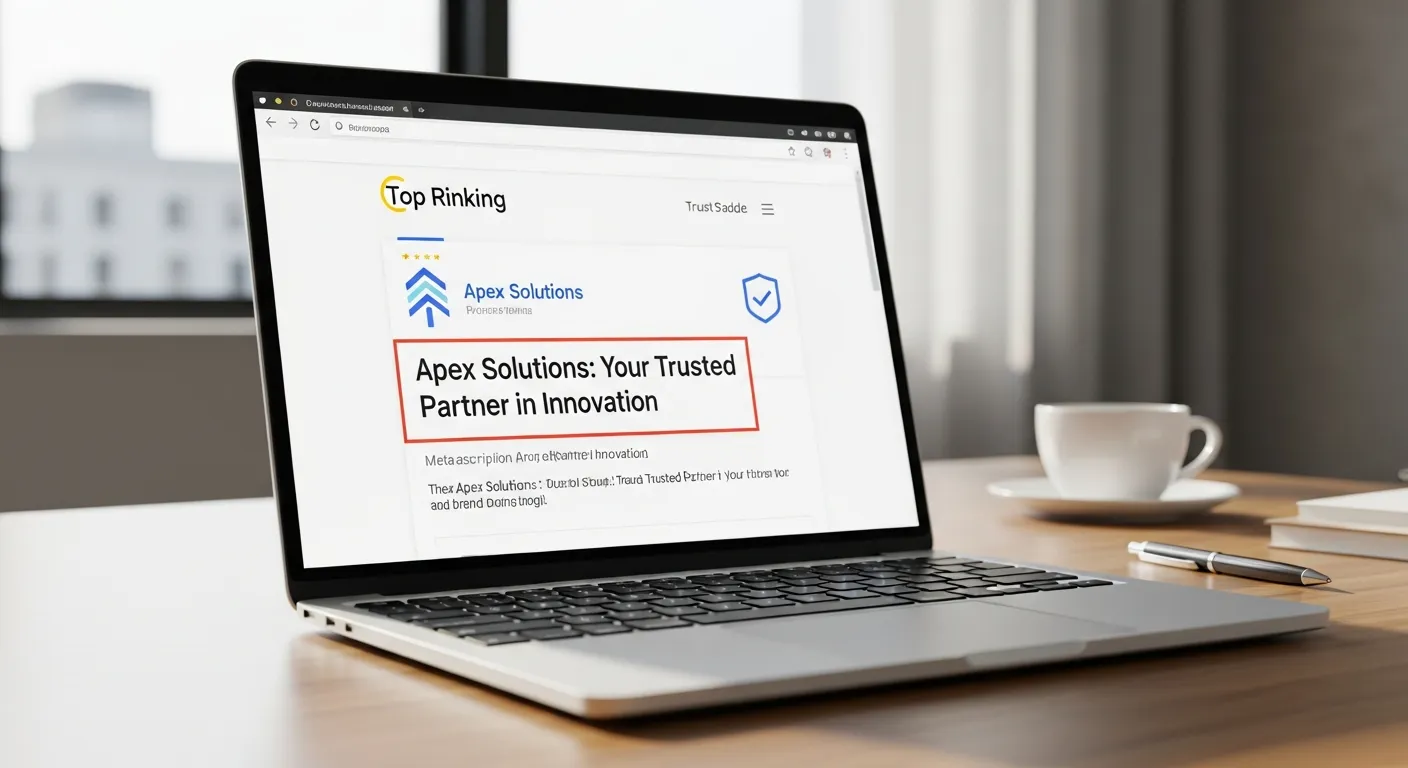
Ranking high on Google does much more than just bring random visitors to your website. It also acts as a powerful signal of credibility and deep authority in your specific industry. When you ask why invest in SEO, consider the brand equity it builds.
The Psychology of High Search Rankings
Consumers inherently trust major search engines. When Google places your website at the very top of the results, it implicitly tells the user that your site is a reliable and highly authoritative source. This psychological boost can significantly improve how potential customers perceive your brand over time. They are much more likely to trust a business that appears on page one.
Consistency as a Trust Builder
Appearing consistently at the top for your core keywords also assures return visitors and prospective customers that your business is stable, up-to-date, and attentive to detail. This consistency builds crucial brand trust over time. If you think about the advantages of search engine optimization, this credibility boost is a major factor for long-term growth.
Creating a Better User Experience
Search engines want to consistently provide their users with the absolute best possible results. Therefore, they heavily reward websites that offer a great user experience. Good optimization involves improving page speed, ensuring full mobile responsiveness, and creating high-quality content.
|
Optimization Factor |
User Benefit |
Search Engine Benefit |
|---|---|---|
|
Mobile Responsiveness |
Easy reading on phones |
Higher mobile index ranking |
|
Fast Page Speed |
Less waiting, lower bounce rate |
Improved core web vitals score |
|
Clear Navigation |
Finding information quickly |
Easier bot crawling and indexing |
Additional Elements of Great User Experience
- Accessible Design: Making your website usable for people with disabilities widens your reach and meets modern accessibility standards.
- Engagement Signals: SEO evaluates dwell time, bounce rate, and interaction metrics. High engagement further signals to Google that your website is providing a top-notch user experience.
- Content Readability: Using meaningful headers, short paragraphs, and bullet points makes your content easier and more enjoyable to read.
Understanding the ROI of SEO
Business leaders always want to know exactly what kind of return on investment they can expect from their marketing efforts. While the SEO return on investment can take time to fully materialize, the long-term payoff is exceptionally high.
Cost-Effective Digital Marketing
Paid advertising requires a continuous and often growing budget. The precise moment you stop paying for ads, your traffic drops completely to zero. Search engine optimization operates entirely differently. While it requires an upfront investment of time and resources, the traffic it generates can continue for months or even years.
To better grasp how this impacts your bottom line, you can explore the SEO return on investment.
Comparing Lifetime Value Versus Initial Cost
With ad campaigns, costs scale with every new click, making it difficult to maintain high ROI over time. With SEO, your initial investment can pay dividends for months or years, as a well-ranking page can consistently attract visitors whether or not you’re still investing in daily optimizations. The benefits of SEO for business compound and stretch the value of your efforts.
Higher Lead Conversion Rates
Organic search traffic often converts at a significantly higher rate than other marketing channels. Because these visitors are actively searching for what you offer, they are already further along in the buyer’s journey. By providing them with valuable content, you can easily turn a higher percentage of these visitors into paying customers. This perfectly demonstrates why invest in SEO.
Nurturing Leads with Value Content
Having blog posts, testimonials, case studies, and in-depth product guides allows you to nurture leads at every phase. SEO drives users to this content naturally, leveraging every new post as another avenue to convert interested readers into loyal clients.
Key Components of a Successful Strategy
Achieving high rankings requires a highly comprehensive approach. A successful campaign consists of several interconnected components working seamlessly together. This multifaceted approach is one of the key benefits of SEO for business.
On-Page Optimization Essentials
On-page optimization involves carefully optimizing the individual pages on your website. This includes researching and using the right keywords in your titles, headers, and body content. It also involves optimizing meta descriptions, image alt text, and internal linking structures.
Crafting High-Quality Content
Content is the driving force behind the advantages of search engine optimization. You must create long-form, valuable articles that actually answer the user’s questions. Search engines reward comprehensive content that fully satisfies user intent.
Essential On-Page Elements
|
On-Page Element |
Why It Matters |
Optimization Best Practice |
|---|---|---|
|
Title Tag |
Influences click-through rates and rankings |
Use target keyword, be clear |
|
Meta Description |
Drives clicks from the search engine page |
Keep under 155 characters, actionable |
|
Image Alt Text |
Accessibility for all users |
Describe each image accurately |
|
Internal Links |
Spreads link authority, enhances crawling |
Link to key pages naturally |
|
Header Tags (H1-H4) |
Organizes content for readability and ranking |
Use keyword-rich headings |
Off-Page Optimization and Authority
Off-page optimization tightly focuses on building your website’s authority through external signals. The most important factor here is acquiring high-quality backlinks from other highly reputable websites. When authoritative sites link to your content, they pass on a generous portion of their trust.
Building Relationships for Backlinks
Effective link-building goes beyond directories and web submissions. Outreach campaigns, guest blogging, thought leadership articles, and digital PR are powerful ways of fostering ongoing partnerships that turn into quality referrals and citations for your website.
Technical SEO Fundamentals
Technical optimization ensures that your website firmly meets the strict technical requirements of modern search engines. This includes drastically improving site speed, fixing broken links, and implementing secure HTTPS protocols. A technically sound website allows search engine bots to crawl and index your pages without encountering fatal errors.
Keeping Up With Algorithm Changes
Search engines are continually evolving, with new ranking factors appearing each year. Staying current on Google algorithm updates—such as Mobile-First Indexing, Core Web Vitals, and E-E-A-T (Experience, Expertise, Authority, Trust)—is critical for maintaining and improving rankings long-term.
- Regular Technical Audits: Schedule monthly or quarterly site audits to identify crawl errors, slow-loading pages, or broken links.
- Monitoring Analytics and Search Console: Use these tools to track your most important SEO health metrics and spot dips before they hurt your business.
Long-Term Benefits of SEO for Sustainable Growth
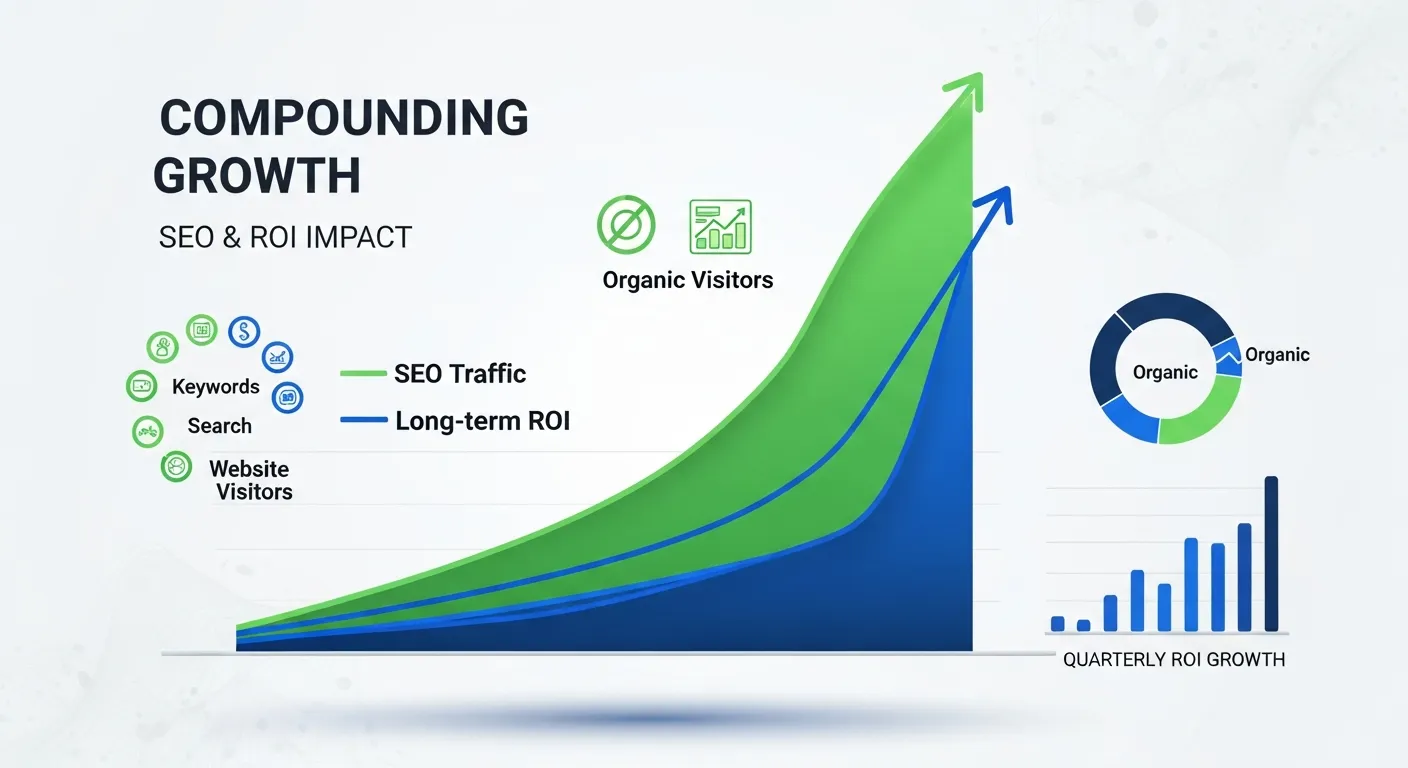
The most successful businesses view search optimization as a long-term play rather than a quick fix. The benefits beautifully compound over time, creating a highly reliable foundation for continuous business growth. This long-term thinking explains why SEO is important for websites.
Compounding Organic Traffic
As you publish more optimized content and build more powerful backlinks, your overall site authority vastly increases. This makes it substantially easier to rank for new keywords in the near future. Over time, your traffic will compound, leading to exponential growth that is incredibly difficult for competitors to replicate quickly.
Evergreen Content Is a Gift That Keeps Giving
Unlike social media or paid ads, quality evergreen blog posts and guides can deliver consistent new visitors for years. Periodically updating and optimizing your top pages helps you retain rankings and maximize the life of your investment.
Staying Ahead of Industry Competition
If your main competitors are optimizing their sites and you are not, they are easily capturing the market share that should rightly belong to you. By committing to a robust strategy, you can level the playing field. Maintaining a strong digital presence ensures that your brand remains highly visible and relevant.
Future-Proofing Your Business
The digital world evolves rapidly. Investing in SEO now is a proactive way to adapt to future trends and consumer behaviors. Businesses that make SEO a core marketing pillar often weather shifts in paid advertising costs and changes in consumer search habits more successfully.
Frequently Asked Questions
1. Exactly why invest in SEO when I can just buy ads?
Ads stop working the moment you stop paying for them. Optimization builds permanent equity for your website, generating free traffic over time. This makes the SEO return on investment much higher in the long run.
2. How long does it take to see the benefits of SEO for business?
It typically takes three to six months to start seeing significant results from a new campaign. This timeline depends heavily on your industry competition and website age. However, the wait is worth the sustainable traffic you gain.
3. What are the main advantages of search engine optimization over social media?
Social media posts have a very short lifespan, often disappearing from feeds within hours. Search engine rankings provide continuous visibility as people actively search for your services. This intent-driven traffic usually converts at a much higher rate.
4. Why SEO is important for websites that are already well-known?
Even established brands must protect their digital real estate from aggressive competitors. Search algorithms change constantly, requiring continuous updates to maintain top positions. Proper strategy ensures you do not lose your hard-earned market share.
5. How do backlinks impact my SEO return on investment?
Backlinks act as votes of confidence from other websites, heavily boosting your site’s authority. Higher authority leads directly to better rankings and more traffic. You can learn more about building authority with off-page tactics.
6. Can I do optimization myself, or do I need an agency?
You can certainly learn the basics and apply them to your own website. However, competitive industries often require advanced technical and off-page strategies. Hiring experts can significantly accelerate your overall growth.
7. How does on-page optimization help me rank better?
On-page tactics help search engines clearly understand what your content is about. By optimizing headers, tags, and keywords, you make your site more relevant to search queries.
8. Why invest in SEO if my business is strictly local?
Local optimization helps you appear in the map pack and local search results. When nearby customers search for your services, you want to be the first option they see. This drives massive foot traffic and local phone calls.
9. What role does content play in the benefits of SEO for business?
High-quality content is what actually ranks in search engines and attracts eager visitors. It answers user questions and establishes your brand as an industry authority. Without great content, optimization efforts will largely fail.
10. How do technical and off-page strategies work together?
Technical optimization ensures your site is crawlable, while off-page builds trust. Both are absolutely necessary to achieve page-one rankings in competitive markets. Explore how they connect in this comprehensive guide.
