

In today’s digital landscape, mastering effective visibility is more challenging than ever. Businesses and creators are investing time and resources into fine-tuning their presence on search engines. As websites proliferate and competition grows fiercer, only those who adopt cutting-edge tactics will rise to the top. This year (2026), understanding and executing SEO strategies for 2026 has become a cornerstone of online success. By combining deep audience insight with technical precision, organizations can drive sustainable organic growth.
Currently, search engine algorithms are smarter at interpreting user intent, content relevance, and site performance. Gone are the days when merely weaving in high-volume keywords guaranteed strong rankings. Instead, success hinges on a holistic approach that integrates advanced keyword exploration, meticulous on-page and technical optimization, rich content creation, and ethical link building. Today, this comprehensive framework lays the foundation for increased visibility, higher click-through rates, and stronger brand authority.
Whether you manage a personal blog, an e-commerce storefront, or a large corporate site, adopting these SEO strategies for 2026 will empower you to stay ahead. Throughout this guide, we’ll walk through each critical pillar—from decoding user motivations to earning authoritative citations—and equip you with clear, practical steps you can implement right away. Let’s begin the journey to elevating your organic presence and achieving measurable results in today’s competitive online environment.
Mastering Advanced Keyword Exploration
Diving deep into keyword research remains the initial step in any robust SEO campaign. In today’s environment, simply targeting broad, high-volume terms often yields limited returns. Instead, professionals focus on discerning the underlying intent behind searches and uncovering niche, conversational queries. By mapping topics rather than isolated words, you can boost topical authority and capture more qualified traffic.
Understanding Searcher Intent
Every query carries a purpose—whether informational, navigational, transactional, or investigative. Classify your keywords by intent to ensure your pages align with what users actually want. For example, an article teaching “how to optimize images” serves informational intent, whereas a product page offering image compression software addresses transactional intent. This distinction guides content structure, tone, and calls to action.
Identifying Long-Tail and Question-Based Keywords
Long-tail phrases and natural language queries often indicate higher engagement potential. Tools such as AnswerThePublic and Google’s “People also ask” feature reveal conversational patterns that real users employ. By integrating questions like “what is the best way to speed up a WordPress site?” you capture visitors seeking detailed answers, positioning your pages for featured snippets and voice search.
Building Semantic Clusters
Rather than optimizing single keywords, group related terms into thematic clusters. This approach allows a primary pillar page to address a broad topic while supporting cluster pages dive into subtopics. Internal linking between these articles signals to search engines that your site offers comprehensive coverage, reinforcing your authority on that subject.
Conducting Competitive Gap Analysis
Competitive research uncovers keywords where your rivals rank but you don’t. Use analytics platforms to assess each term’s difficulty and traffic potential. Prioritize gaps that align with your strengths and audience needs, then develop targeted content to close those gaps. By systematically addressing competitor opportunities, you can expand your reach more efficiently.
Optimizing On-Page Elements
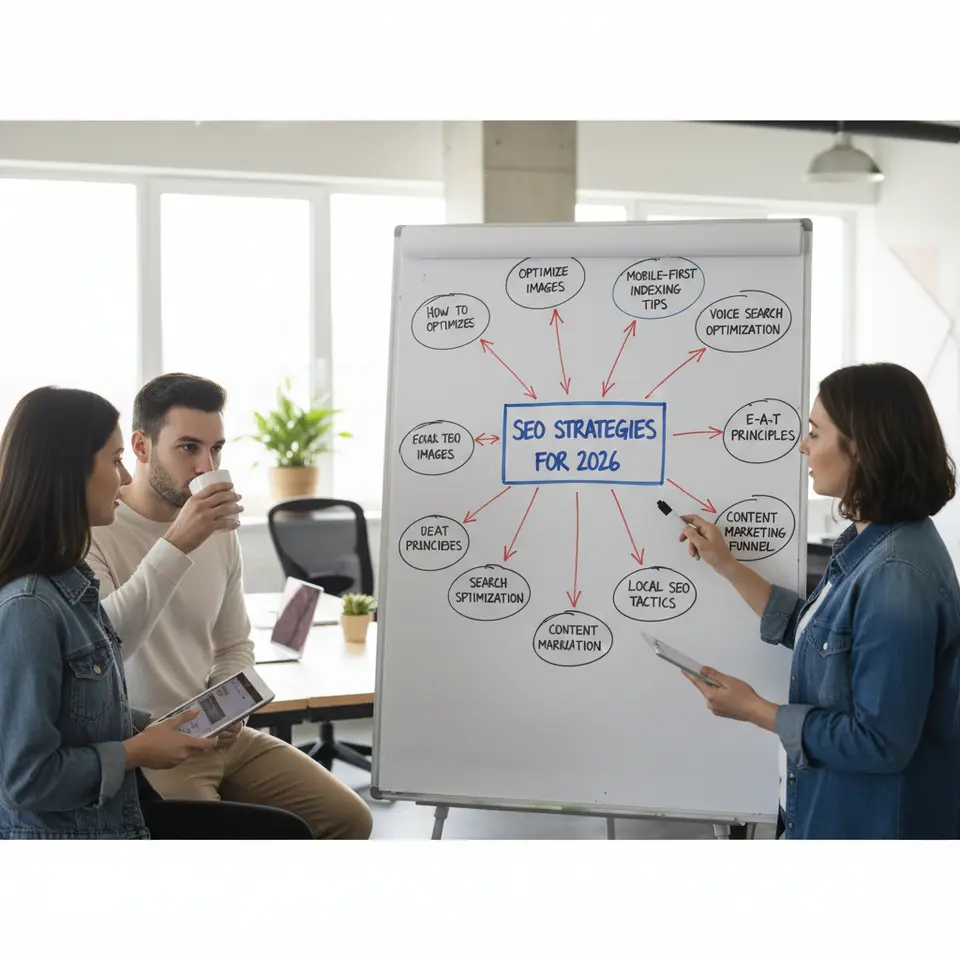
On-page optimization ensures that search engines correctly interpret your content’s relevance and context. Today, refining meta elements, header structure, URLs, and internal linking practices remains essential for clear communication with both users and algorithms. Attention to detail on each page can significantly improve click-through rates and rankings.
Crafting Effective Title Tags and Meta Descriptions
Keep title tags under 60 characters and place your focus keyword—such as “SEO strategies for 2026”—near the beginning. Meta descriptions should stay below 160 characters, enticing users with a clear benefit or call to action. A well-optimized meta description can boost click-through rates, directly impacting your organic performance.
Establishing a Clear Header Hierarchy
Use a single H1 tag to define the main topic, then incorporate H2 and H3 subheadings to break content into logical sections. Subheadings help readers scan articles quickly and assist search engines in understanding your content structure. Interweave secondary keywords naturally within these headings to reinforce topical relevance.
Designing Keyword-Rich URLs and Alt Text
Short, descriptive URLs perform best. Use hyphens to separate words and include your primary term. For images, choose concise filenames and write alt text that reflects both the image content and your focus keyword when appropriate. Proper alt text improves accessibility and provides additional keyword signals.
Implementing Strategic Internal Linking
Link to related content throughout your site using relevant anchor text. This practice distributes page authority, enhances crawlability, and keeps visitors engaged longer. Aim to link from high-authority pages to new or underperforming content to accelerate indexing and boost visibility.
Building a Robust Technical Framework
Technical SEO forms the backbone of every successful online presence. A site that loads quickly, adapts to mobile devices, and follows web standards delivers a superior experience for both users and search bots. Focusing on the following areas sets the stage for higher performance in organic results.
Improving Page Load Efficiency
Site speed directly impacts bounce rates and user satisfaction. Use official tools like Google PageSpeed Insights to identify render-blocking resources, optimize images, and leverage browser caching. Compressing CSS and JavaScript files and adopting responsive images can shave valuable seconds off load times.
Adopting a Mobile-First Mindset
Search engines currently index the mobile version of pages first. Ensure your design is responsive, interactive elements are touch-friendly, and content remains consistent across device types. Testing on real mobile hardware reveals usability bottlenecks before they impact user engagement.
Managing Sitemaps and Robots.txt
Maintain an up-to-date XML sitemap that includes only high-value pages. Exclude thin or duplicate content via your sitemap and configure Robots.txt to block irrelevant resources. This combination streamlines crawl efficiency, ensuring search engines focus on your most important assets.
Implementing Structured Data Markup
Schema markup helps search engines interpret page elements like articles, FAQs, and product details. By adding structured data, you enhance the likelihood of appearing in rich results. Follow guidelines from W3C to ensure your implementation adheres to web standards.
Establishing Canonical Policies
Duplicate content can dilute ranking signals. Use canonical tags to indicate preferred URLs and maintain consistency in your internal linking (www vs non-www, HTTP vs HTTPS). Proper canonicalization preserves authority and avoids indexing conflicts.
Content Creation and Refinement

High-quality content remains the heartbeat of any successful SEO strategy. Today’s audiences demand thoughtful, authoritative, and engaging material that addresses their specific questions. By embracing structured content planning and ongoing optimization, you can build trust and keep visitors coming back.
Leveraging a Pillar-Cluster Model
Create an in-depth pillar page that covers a broad topic comprehensively. Then develop cluster articles that explore subtopics in detail. Interlinking these resources reinforces your site’s subject matter expertise and provides readers with clear navigation paths.
Emphasizing E-A-T Principles
Expertise, Authority, and Trustworthiness guide search engines in rewarding credible content. Include author bios with credentials, cite reputable sources, and incorporate up-to-date data. Demonstrating transparency and authority helps your pages rank for competitive keywords.
Integrating Multimedia for Engagement
Videos, infographics, and interactive elements enrich articles, increasing time on page and social sharing potential. Embedding short instructional videos or data-driven graphics helps convey complex information clearly and boosts overall engagement.
Conducting Regular Content Audits
Periodically review existing articles to update outdated statistics, refine headings, and add new references. A structured audit highlights underperforming content that can be refreshed or consolidated, maintaining your site’s relevance over time.
Ensuring Readability and Accessibility
Short paragraphs, clear font choices, and sufficient contrast support readability. Use descriptive alt text for images and ensure keyboard navigation compatibility. Accessible content not only serves a wider audience but also aligns with best practice guidelines from authoritative institutions.
Executing Targeted Link Building
High-quality backlinks remain one of the most influential ranking factors. This year (2026), prioritizing relevance and authority over sheer volume ensures sustainable growth. By following ethical outreach tactics, you can cultivate a robust backlink profile that withstands algorithm changes.
Contributing Guest Articles to Niche Publications
Pitch in-depth, valuable articles to reputable industry blogs. Focus on providing unique insights rather than overt self-promotion. When accepted, these contributions can generate contextual links and introduce your brand to new audiences.
Applying the Skyscraper Technique
Identify top-performing content in your niche, create an improved version with updated research or clearer presentation, then reach out to sites linking to the original. This approach leverages existing interest while showcasing your superior resource.
Utilizing Broken Link Opportunities
Scan authoritative sites for broken external links using webmaster tools. When you find a relevant gap, contact the webmaster with your resource as a replacement. This win-win strategy restores user experience and earns you a valuable backlink.
Publishing Original Research for Digital PR
Data-driven studies and surveys attract natural citations from journalists and bloggers. Share your findings via press releases or specialized platforms. Compelling statistics establish your brand as a thought leader and generate backlinks from high-authority domains.
Outreach to Resource Page Curators
Many websites maintain curated collections of recommended tools and articles. Identify pages related to your topic and inform them of your evergreen content. This targeted outreach can yield enduring links that bolster your site’s credibility. For government-focused SEO guidance, refer to Digital.gov’s SEO guidelines.
FAQ
How do I identify the most effective long-tail keywords for my website?
Use tools like AnswerThePublic, Google’s “People also ask,” and detailed competitor analysis to uncover the natural language questions your audience uses. Focus on searcher intent to select phrases that align with your content goals and audience needs.
What is the importance of E-A-T in content creation?
E-A-T—Expertise, Authority, Trustworthiness—demonstrates to search engines that your content is credible and valuable. Include author bios, cite reputable sources, and update information regularly to showcase transparency and expertise.
How often should I conduct technical SEO audits?
Perform a technical audit at least quarterly or after major site updates. Regularly review page speed, mobile responsiveness, sitemap accuracy, and structured data to maintain optimal performance and address issues proactively.
How can I measure the success of my link-building campaigns?
Track metrics such as referring domains, backlink quality, organic search traffic growth, and keyword ranking improvements. Use tools like Ahrefs or SEMrush to monitor new links, assess their authority, and evaluate their impact on your overall SEO performance.
Conclusion
Implementing advanced SEO strategies for 2026 demands a balanced approach, combining deep keyword insights, precise on-page tweaks, rock-solid technical foundations, engaging content, and strategic link acquisition. By understanding user intent, aligning with search engine guidelines, and continuously measuring performance, you position your site for long-term success. Today’s dynamic landscape rewards proactive optimization and willingness to adapt.
Now is the moment to integrate these tactics into your marketing roadmap. Regularly revisit your keyword clusters, audit existing content, refine technical configurations, and pursue high-quality backlinks. With persistence and data-driven adjustments, your site will climb the ranks and attract the right audience. Begin applying these proven methods now and watch your organic visibility soar in this year (2026). Good luck on your journey toward sustainable growth!
