


Explore marketing tactics examples, including SEO, content marketing, social media, email campaigns, advertising techniques, and traditional methods. Learn how Digital Marketing Strategies, Sales Promotion Methods, and Brand Growth Tactics drive business growth and customer engagement.
Every successful business relies on a solid plan to attract and retain customers. While a broad strategy outlines your ultimate goals, marketing tactics are the specific actions you take to achieve them. They are the practical steps, campaigns, and methods used to promote your products or services.
Understanding different marketing tactics examples is crucial for driving business growth. When you apply the right mix of actions, you can reach your target audience more effectively, boost your brand visibility, and increase your sales. A well-executed tactic can turn a casual browser into a loyal customer, making a tangible difference to your bottom line.
This guide explores a comprehensive range of marketing tactics examples to help you build a robust promotional engine. We will cover everything from foundational digital methods to traditional Advertising Techniques, hybrid approaches, and emerging trends. By the end of this post, you will have a clear roadmap for selecting and implementing the best marketing tactics examples for your unique business needs. We will also dive into Digital Marketing Strategies, Sales Promotion Methods, and Brand Growth Tactics to ensure you have a complete toolkit for success.
Digital Marketing Strategies: Building Your Online Foundation
Digital marketing uses online platforms to reach consumers. It offers precise targeting and measurable results, making it a cornerstone for modern businesses. If you want to scale quickly, mastering these Digital Marketing Strategies is essential.
Search Engine Optimization (SEO)

Search Engine Optimization ensures your website appears prominently when potential customers search for relevant terms. It is one of the most reliable marketing tactics examples for long-term growth. We can divide SEO into three main categories.
On-Page SEO
On-page SEO involves optimizing individual web pages to rank higher. This includes using relevant keywords in your headings, meta descriptions, and throughout your content. High-quality, informative content that answers user intent is the most critical element of on-page optimization. You must format your pages with clear H2 and H3 tags, short paragraphs, and bullet points to keep readers engaged.
Off-Page SEO
Off-page SEO focuses on activities outside your website that impact your rankings. The primary goal is to build authoritative backlinks from reputable websites. Guest posting, social media sharing, and influencer outreach are common ways to improve your off-page profile. When authoritative sites link to yours, search engines view your content as trustworthy.
Technical SEO
Technical SEO ensures search engines can crawl and index your website effectively. This includes optimizing site speed, ensuring mobile-friendliness, and creating an XML sitemap. A technically sound website provides a better user experience, which search engines reward with higher rankings. If your pages take too long to load, visitors will leave, increasing your bounce rate and harming your rankings.
Content Marketing
Content marketing focuses on creating and distributing valuable, relevant content to attract a defined audience. It is one of the most popular Brand Growth Tactics available.
Blog Posts and Articles
Regularly publishing blog posts helps establish your brand as an industry authority. It provides fresh content for search engines to index and gives you material to share on social media. Well-written articles address customer pain points and provide actionable solutions. Providing clear marketing tactics examples within your blog posts helps readers understand exactly how to apply your advice.
Videos and Webinars
Video content is highly engaging and easily digestible. Short-form videos work well for social media, while longer webinars are excellent for deep dives into complex topics. Webinars also offer a great opportunity to capture email leads and interact with your audience in real time. Visual marketing tactics examples often convert much higher than text alone.
E-books and Whitepapers
E-books and whitepapers are long-form content pieces that offer in-depth knowledge. Businesses typically offer them as gated content, requiring users to provide their contact information in exchange for the download. This makes them powerful lead generation tools. You can use these assets to build your email list and nurture prospects over time.
Infographics
Infographics combine data and design to make complex information easy to understand. Because they are visually appealing, users frequently share them across social media platforms, helping to increase your brand’s reach and generate natural backlinks.
Social Media Marketing
Social media allows you to connect directly with your audience, build brand awareness, and drive website traffic. This forms a core part of comprehensive Digital Marketing Strategies.
Platform-Specific Strategies
Each social media platform requires a unique approach. Facebook is great for community building and targeted ads. Instagram relies heavily on high-quality visuals and short-form video. LinkedIn is essential for B2B networking and professional content, while TikTok demands authentic, trend-driven short videos. You must tailor your marketing tactics examples to fit the culture of each platform.
Organic vs. Paid Social Media
Organic social media involves posting free content to engage your existing followers. Paid social media involves spending money to display advertisements or sponsored messages to a broader, targeted audience. The best marketing tactics combine both to maximize reach and engagement. Organic content builds trust, while paid content drives immediate traffic.
Influencer Marketing
Partnering with influencers allows you to tap into their established, trusting audience. When an influencer recommends your product, it acts as powerful social proof. Micro-influencers, who have smaller but highly engaged followings, often provide excellent return on investment for niche brands.
Email Marketing
Email marketing remains one of the most cost-effective ways to nurture leads and retain customers. It consistently ranks high among the most profitable marketing tactics examples.
List Building Strategies
A healthy email list is the foundation of successful email marketing. You can build your list by offering incentives like discount codes, free resources, or exclusive newsletter content. Ensure your sign-up forms are prominent on your website and social channels.
Segmentation and Personalization
Sending the same email to your entire list rarely yields the best results. Segmentation involves dividing your subscribers based on their behavior, demographics, or purchase history. Personalizing your emails to match these specific segments drastically improves open and click-through rates. Tailored Brand Growth Tactics always outperform generic messaging.
Automation and Drip Campaigns
Automation allows you to send timely, relevant emails without manual effort. Drip campaigns are a series of automated emails sent based on specific triggers, such as a user signing up for an account or abandoning their shopping cart. These campaigns gently guide users down the sales funnel.
Advertising Techniques: Pay-Per-Click and Beyond
PPC is an advertising model where you pay a fee each time someone clicks your ad. It offers immediate visibility and highly measurable results, standing out as one of the most direct Advertising Techniques.
Google Ads
Google Ads allows you to display text ads at the top of search engine results pages. You bid on specific keywords relevant to your business. When users search for those terms, your ad appears, capturing high-intent traffic actively looking for your solutions. Reviewing successful marketing tactics examples on Google Ads can help you craft better ad copy and select more profitable keywords.
Social Media Ads

Platforms like Facebook, LinkedIn, and Instagram offer robust advertising networks. Unlike search ads, social media ads target users based on their demographics, interests, and behaviors. This makes them ideal for building brand awareness and reaching specific customer profiles.
Retargeting
Retargeting displays ads to users who have previously visited your website but left without converting. By reminding them of the products they viewed, retargeting keeps your brand top-of-mind and encourages them to return and complete their purchase. This is one of the most effective Advertising Techniques for recovering lost sales.
Affiliate Marketing
Affiliate marketing involves rewarding third-party partners for generating traffic or sales for your business. Affiliates promote your products using unique tracking links, and you pay them a commission for every successful referral. This tactic leverages external networks to expand your reach with minimal upfront risk.
Website and Landing Page Optimization
Your website is your digital storefront. Optimizing it ensures visitors have a positive experience and take the desired actions.
User Experience (UX)
User experience focuses on how easy and enjoyable it is to navigate your website. A clean design, intuitive navigation, and fast loading times are essential. If users cannot find what they need quickly, they will leave and visit a competitor’s site instead. UX design is fundamental to all successful Digital Marketing Strategies.
Conversion Rate Optimization (CRO)
Conversion rate optimization is the process of increasing the percentage of visitors who complete a specific goal, such as making a purchase or filling out a form. A/B testing different headlines, call-to-action buttons, and page layouts helps you determine what works best for your audience. Applying proven marketing tactics examples to your landing pages can drastically improve your conversion rates.
Traditional Marketing Tactics and Sales Promotion Methods
While digital marketing dominates the conversation, traditional methods still hold significant value. This is especially true for local businesses or demographics that prefer physical media. These tactics often intersect heavily with classic Sales Promotion Methods.
For a deeper dive into specific strategies, you can explore various methods of sales promotion at the consumer level to see how physical incentives drive purchases.
Print Advertising
Print advertising places your message in physical publications. It remains a staple among traditional Advertising Techniques.
Magazines and Newspapers
Advertising in magazines allows you to reach highly targeted niche audiences based on the publication’s focus. Newspapers are excellent for reaching local markets quickly. Both mediums offer a tangible experience that some consumers still prefer over digital ads.
Brochures and Flyers
Brochures and flyers are cost-effective materials used to distribute detailed information about your products or services. They are highly effective at trade shows, in-store displays, or as part of a local canvassing effort. Handing out a flyer with a discount code is one of the oldest and most reliable Sales Promotion Methods.
Broadcast Media
Broadcast media reaches massive audiences simultaneously.
TV and Radio Ads
Television advertising offers unparalleled reach and the ability to tell compelling visual stories. Radio ads provide localized reach and high frequency, often catching consumers while they drive. Both methods require larger budgets but deliver significant brand awareness and act as massive Brand Growth Tactics.
Direct Mail
Direct mail involves sending physical promotional items, such as postcards or catalogs, directly to a consumer’s home. Physical mail stands out because digital inboxes are incredibly crowded. Highly targeted direct mail campaigns can yield impressive conversion rates, serving as prime marketing tactics examples for local businesses.
Outdoor Advertising
Outdoor advertising reaches consumers while they are on the go.
Billboards
Billboards provide massive visibility on busy highways and city centers. They require bold visuals and concise messaging, as drivers only have a few seconds to absorb the information.
Transit Ads
Transit ads are placed on buses, trains, and inside transit stations. They capture the attention of commuters who take the same routes daily, offering high frequency and strong local targeting.
Event Marketing and Sponsorships
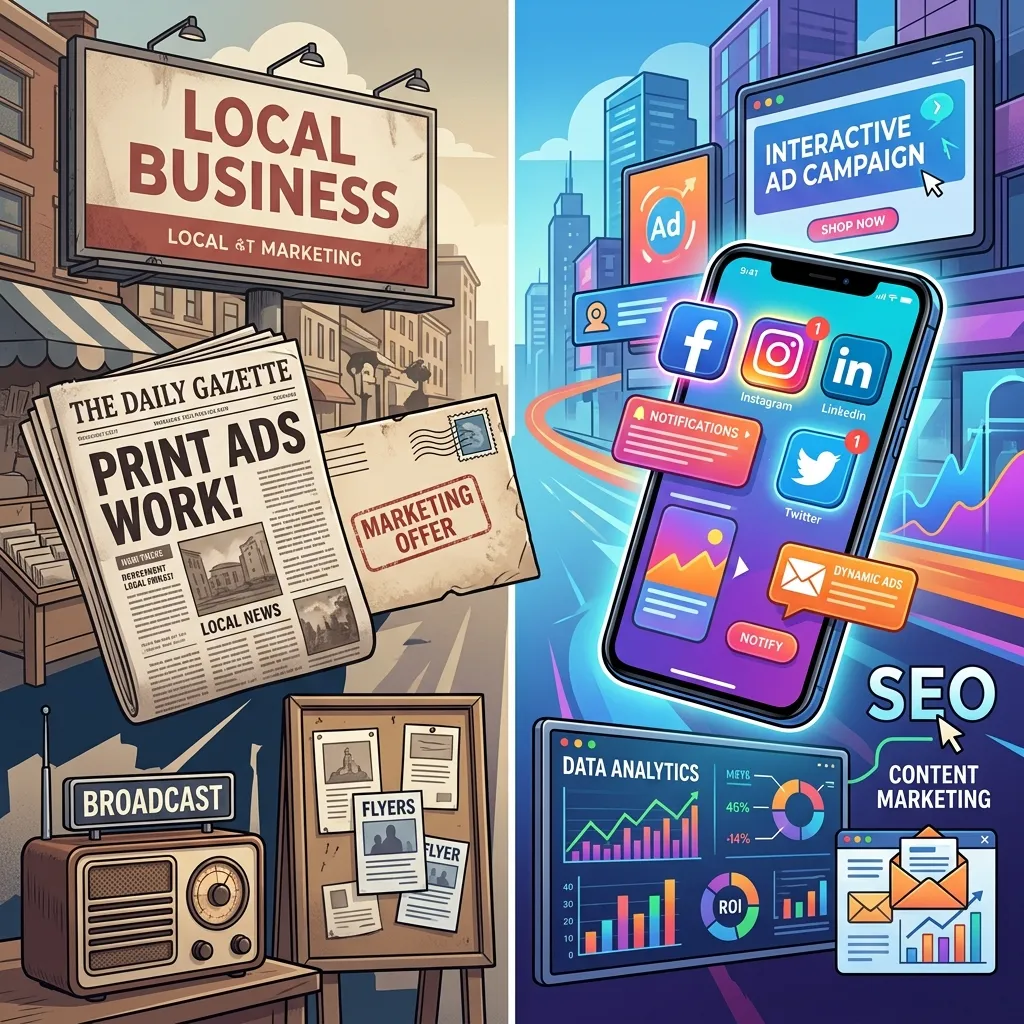
Hosting or sponsoring events allows you to interact with potential customers face-to-face. Trade shows, local festivals, and charity runs provide excellent opportunities to demonstrate products, distribute samples, and build community goodwill. Handing out product samples at these events is a fantastic representation of powerful Sales Promotion Methods.
Hybrid Marketing Tactics and Brand Growth Tactics
Hybrid marketing blends digital and traditional methods to create cohesive, multi-channel campaigns. These integrated Brand Growth Tactics create a seamless experience for your audience.
Experiential Marketing
Experiential marketing immerses consumers in a memorable, physical brand experience, which is then amplified online. For example, a company might host an interactive pop-up shop and encourage attendees to share photos on social media using a specific hashtag. These unique marketing tactics examples generate organic buzz and deep customer loyalty.
Public Relations (PR)
Public relations focuses on maintaining a positive public image and securing earned media coverage.
Media Outreach
Media outreach involves pitching story ideas to journalists, bloggers, and industry influencers. The goal is to secure unpaid editorial coverage that boosts your brand’s credibility and reach. Effective media outreach is a cornerstone of long-term Brand Growth Tactics.
Press Releases
Press releases are official statements distributed to the media to announce significant company news, such as a product launch or major partnership. They help generate buzz and provide accurate information for reporters to reference.
Partnerships and Collaborations
Collaborating with complementary businesses allows both parties to tap into each other’s customer bases. Co-hosting a webinar, creating a joint product, or running a shared giveaway are excellent ways to reach new audiences efficiently. Strategic partnerships represent some of the most cost-effective marketing tactics examples available to small businesses.
Developing a Marketing Strategy
Marketing tactics examples only work when guided by a clear, overarching strategy. You must lay the groundwork before executing specific campaigns. Implementing arbitrary Digital Marketing Strategies without a plan leads to wasted budgets and poor results.
Defining Your Target Audience
You cannot market effectively if you do not know who you are trying to reach. Create detailed buyer personas that outline your ideal customer’s demographics, interests, pain points, and preferred communication channels. Knowing your audience dictates which Advertising Techniques you should deploy.
Setting SMART Goals
Your marketing efforts need clear direction. Set SMART goals—Specific, Measurable, Achievable, Relevant, and Time-bound. Instead of saying “I want more website traffic,” aim for “I want to increase organic website traffic by 20% over the next three months.”
Budget Allocation
Determine how much money you can realistically spend on marketing. Distribute your budget across the tactics that are most likely to reach your target audience and help you achieve your SMART goals. Be prepared to adjust your spending based on performance.
Competitor Analysis
Study your competitors to understand their strengths and weaknesses. Analyze their digital presence, advertising efforts, and customer reviews. This analysis will help you identify gaps in the market and opportunities to differentiate your brand with unique Sales Promotion Methods.
Measuring ROI and Analytics
Track the performance of your marketing tactics using analytics tools. Monitor metrics like website traffic, conversion rates, and cost per acquisition. Measuring your return on investment (ROI) ensures you spend your budget efficiently and allows you to refine your tactics over time.
Emerging Marketing Trends
The marketing landscape evolves constantly. Staying ahead of emerging trends helps you maintain a competitive edge. Integrating these new ideas into your existing Digital Marketing Strategies ensures you do not fall behind.
Artificial Intelligence (AI) in Marketing
AI is revolutionizing marketing by automating tasks, analyzing vast amounts of data, and predicting consumer behavior. Tools like AI writing assistants, predictive analytics, and automated ad bidding help marketers work more efficiently and effectively. Reviewing new AI-driven marketing tactics examples can reveal massive time-saving opportunities for your team.
Voice Search Optimization
As smart speakers become more common, consumers are increasingly using voice commands to search the internet. Optimizing for voice search requires focusing on conversational keywords and answering specific questions clearly and concisely.
Interactive Content
Interactive content requires active participation from the user. Quizzes, polls, calculators, and interactive infographics keep users engaged longer than static content, making them highly effective for lead generation and brand education.
Personalization at Scale
Consumers expect highly personalized experiences. Advanced data analytics and machine learning allow businesses to deliver dynamic website content, personalized product recommendations, and highly targeted email campaigns to thousands of users simultaneously.
Comparing Key Marketing Tactics
To help you decide which path to take, we have created a comparison table outlining different categories of marketing tactics examples, detailing their primary goals and cost levels.
|
Tactic Category |
Primary Goal |
Average Cost Level |
Best Use Case |
|---|---|---|---|
|
Digital Marketing Strategies |
Online visibility, precise targeting |
Low to Medium |
E-commerce, software, nationwide services |
|
Advertising Techniques (PPC) |
Immediate traffic and conversions |
Medium to High |
Product launches, urgent lead generation |
|
Sales Promotion Methods |
Quick sales, inventory clearing |
Low to Medium |
Retail, seasonal businesses, local shops |
|
Brand Growth Tactics (PR/Events) |
Brand awareness, community trust |
Medium to High |
B2B networking, establishing market authority |
|
Hybrid Marketing (Experiential) |
Viral engagement, customer loyalty |
High |
Product reveals, major brand rebranding |
Navigating the Future of Marketing
Marketing tactics are the tools you use to build a successful promotional strategy. From technical SEO and email automation to traditional billboards and experiential pop-ups, the options are vast. The key is to select the marketing tactics examples that align best with your audience, budget, and business goals.
The marketing landscape will continue to shift as technology advances and consumer behaviors change. By regularly testing new Digital Marketing Strategies, experimenting with creative Advertising Techniques, and analyzing your Sales Promotion Methods, you ensure your business remains relevant and competitive.
Ready to elevate your promotional efforts? Start by auditing your current Brand Growth Tactics to see what is working. Choose two or three new marketing tactics examples from this guide to test over the next quarter, and watch your business grow.
Frequently Asked Questions
What are the best marketing tactics examples for a limited budget?
For businesses with strict budgets, content marketing, SEO, and organic social media are excellent choices. These Digital Marketing Strategies require time and effort rather than large financial investments, allowing you to build organic visibility slowly over time.
How do I choose the right Digital Marketing Strategies for my business?
You must start by thoroughly analyzing your target audience to understand where they spend their time online. If you target professionals, LinkedIn is ideal; if you target young consumers, TikTok and Instagram will serve you best.
Are traditional Advertising Techniques still effective today?
Yes, traditional advertising remains highly effective, especially for local brick-and-mortar businesses. Direct mail, radio spots, and billboards can capture local market attention quickly, often bypassing the heavy saturation of digital online spaces.
What are common Sales Promotion Methods I can use right now?
Common sales promotions include offering limited-time discount codes, running “buy one get one” deals, or offering free shipping. These tactics create a sense of urgency, encouraging hesitant consumers to complete their purchases immediately.
How do Brand Growth Tactics differ from direct sales tactics?
Brand growth tactics focus heavily on building long-term trust, authority, and recognition, rather than pushing for an immediate transaction. PR campaigns, educational webinars, and community sponsorships ensure people remember your brand when they are eventually ready to buy.
Why is email marketing considered one of the best marketing tactics examples?
Email marketing allows you to communicate directly with an audience that has already shown interest in your brand. It offers an incredibly high return on investment because you own the list, and you can personalize the messages to drive repeat sales.
How long does it take to see results from SEO?
SEO is a long-term strategy, and it typically takes between three to six months to start seeing significant movement in search rankings. It requires consistent effort in content creation, technical improvements, and backlink building to succeed.
What role does UX play in my Digital Marketing Strategies?
User Experience (UX) dictates how easily visitors can navigate your website and find what they need. If your UX is poor, users will bounce off your site, rendering all the money you spent driving traffic there completely wasted.
Should I combine digital and traditional Advertising Techniques?
Absolutely. Combining both approaches creates a hybrid marketing strategy that reinforces your message across multiple touchpoints. Seeing a billboard and then later encountering a retargeting ad builds strong brand familiarity and trust.
How can I measure the success of my Sales Promotion Methods?
You can measure success by tracking specific metrics like conversion rates, redemption rates of discount codes, and overall sales spikes during the promotion period. Using unique tracking links or promo codes makes it easy to tie revenue directly to the campaign.
