

Website optimization techniques combine technical SEO, speed improvements, and conversion strategies to enhance visibility, user experience, and engagement. A well-optimized site attracts more traffic, performs faster, and converts visitors into customers effectively.
You have a beautifully designed digital presence, but your traffic remains stagnant. Visitors arrive and leave within seconds. Your conversion rates are flat. This common scenario highlights a critical gap between merely existing online and actually making your platform perform.
Website optimization is the systematic process of improving your site to drive more traffic, increase engagement, and boost conversions. It involves a mix of technical upgrades, content refinement, and user experience enhancements designed to make your site work harder for your business. Implementing effective website optimization techniques solves this exact problem.
When you execute proven website optimization techniques, you create a seamless environment for your visitors and search engines alike. Search engines reward fast, accessible, and highly relevant sites with better rankings. Higher rankings lead directly to more organic traffic. Once those visitors land on your pages, a well-optimized user experience keeps them engaged. They find the information they need quickly, navigate without frustration, and take the actions you want them to take. Read on to explore the core strategies that will turn your digital presence into a high-performing asset.
The Foundation of Website Optimization Techniques
Building a successful digital platform requires a multifaceted approach. You cannot rely solely on great content if your pages load slowly, and lightning-fast speeds mean little if your content lacks value. The best website optimization techniques combine multiple disciplines into one cohesive strategy.
By balancing technical SEO improvements, on page SEO optimization, and conversion rate optimization, you build a resilient foundation. This balanced approach ensures that you attract the right audience, keep them engaged, and ultimately guide them toward a meaningful action.
Why You Need a Holistic Approach
Search algorithms evaluate hundreds of different ranking factors. Focusing on just one area leaves your digital strategy vulnerable to algorithm updates. A holistic strategy covers all the bases.
- Discoverability: Search engines must easily crawl and index your pages.
- Usability: Human visitors must enjoy navigating your platform.
- Relevance: Your content must answer the specific queries your audience searches for.
- Actionability: Your layout must encourage users to subscribe, buy, or reach out.
In today’s digital environment, a piecemeal approach just isn’t enough. Think of your website as a living system. Every element—design, technical structure, and content—must work together. With increased competition across every industry, investing in a strategic optimization plan can mean the difference between being found and being forgotten.
Technical SEO Improvements for Peak Performance
A visually stunning design means very little if it takes too long to load or fails to render properly on a smartphone. Technical SEO improvements form the bedrock of your website optimization techniques. Proper technical SEO also ensures your website is indexed correctly by search engines, opening new opportunities for increased organic visibility.
The Importance of Website Crawlability
Search engines need to efficiently crawl your site to index all your valuable content. Blocked resources, broken links, or poor site architecture can all stifle visibility. Use a robots.txt file to control crawler access and generate a dynamic XML sitemap to keep search engines up to date with your latest content. Don’t forget to perform regular crawl audits with tools like Screaming Frog or Google Search Console.
Preventing Indexing Issues
Duplicate content, poorly managed redirects, and orphan pages prevent your website from reaching its full potential. Make sure to use canonical tags to indicate your preferred URLs and regularly monitor your Search Console for unwanted “noindex” directives or crawl errors. It’s also wise to adjust your internal linking structure so every core piece of content is accessible within three clicks from your homepage.
Mastering Website Speed Optimization
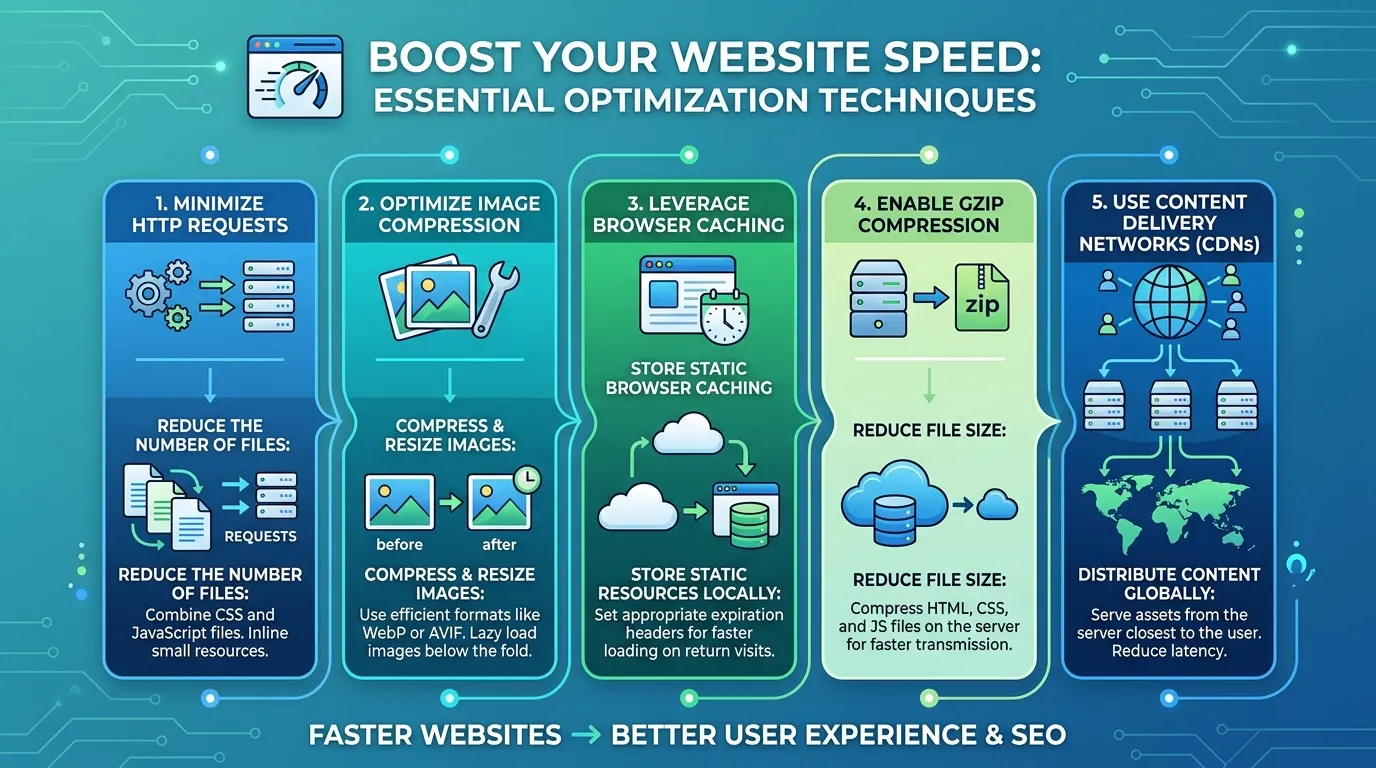
Users expect pages to load almost instantly. A delay of just a few seconds can drastically increase your bounce rate. Website speed optimization is non-negotiable for anyone serious about growing their traffic. Even a one-second improvement in site speed can measurably boost conversions and lower abandonment rates.
Image Compression and Delivery
To improve your site speed, start by optimizing your images. Compress large image files without sacrificing quality using modern formats like WebP. Heavy visual assets are usually the primary culprit behind slow load times.
Caching and Code Minification
Next, leverage browser caching so returning visitors do not have to download the same assets repeatedly. Finally, minify your CSS, JavaScript, and HTML files by stripping out unnecessary characters, spaces, and comments. These small technical adjustments significantly reduce page load times and form a core part of effective website optimization techniques.
Leveraging Content Delivery Networks (CDNs)
A Content Delivery Network, or CDN, stores copies of your site on servers spread around the globe. When a visitor accesses your website, the CDN serves files from the nearest location, speeding up delivery regardless of where users are located. Cloudflare and Akamai are popular CDN providers that are easy to implement and provide an instant boost to global page speed.
Mobile Responsiveness and Adaptability
Most web traffic now comes from mobile devices. Search engines prioritize mobile-friendly sites in their rankings. Your layout must adapt fluidly to any screen size to remain competitive.
Test your site on multiple devices to ensure buttons are clickable without frustration. Text must be readable without zooming, and navigation menus must function correctly on touchscreens. Implementing a responsive design is one of the most vital website optimization techniques you can utilize.
Mobile-First Design Best Practices
Adopting a mobile-first mindset doesn’t mean neglecting desktop, but it prioritizes the most widely-used format. Use flexible grid layouts and scalable media, and always make key actions simple on a smaller screen—think tap targets big enough for thumbs and forms that minimize user input.
Conquering Core Web Vitals
You need to monitor your Core Web Vitals constantly. These are specific metrics Google uses to measure user experience, including loading performance, interactivity, and visual stability.
Fixing layout shifts and slow server response times helps you pass these vital checks. When buttons jump around the screen as a page loads, users get frustrated and leave. Ensuring visual stability keeps your audience engaged and signals to search engines that your platform provides a great experience.
Optimizing for Largest Contentful Paint (LCP)
Prioritize loading the most important content first, such as banner images or primary headlines. Defer unnecessary scripts, preload crucial resources, and avoid heavy fonts that delay text rendering.
Reducing Cumulative Layout Shift (CLS)
Use size attributes for all images and video elements to reserve space. Avoid injecting elements late (such as ads or popups) that shift visible content, which disrupts the viewer’s experience.
Implementing Structured Data and Schema Markup
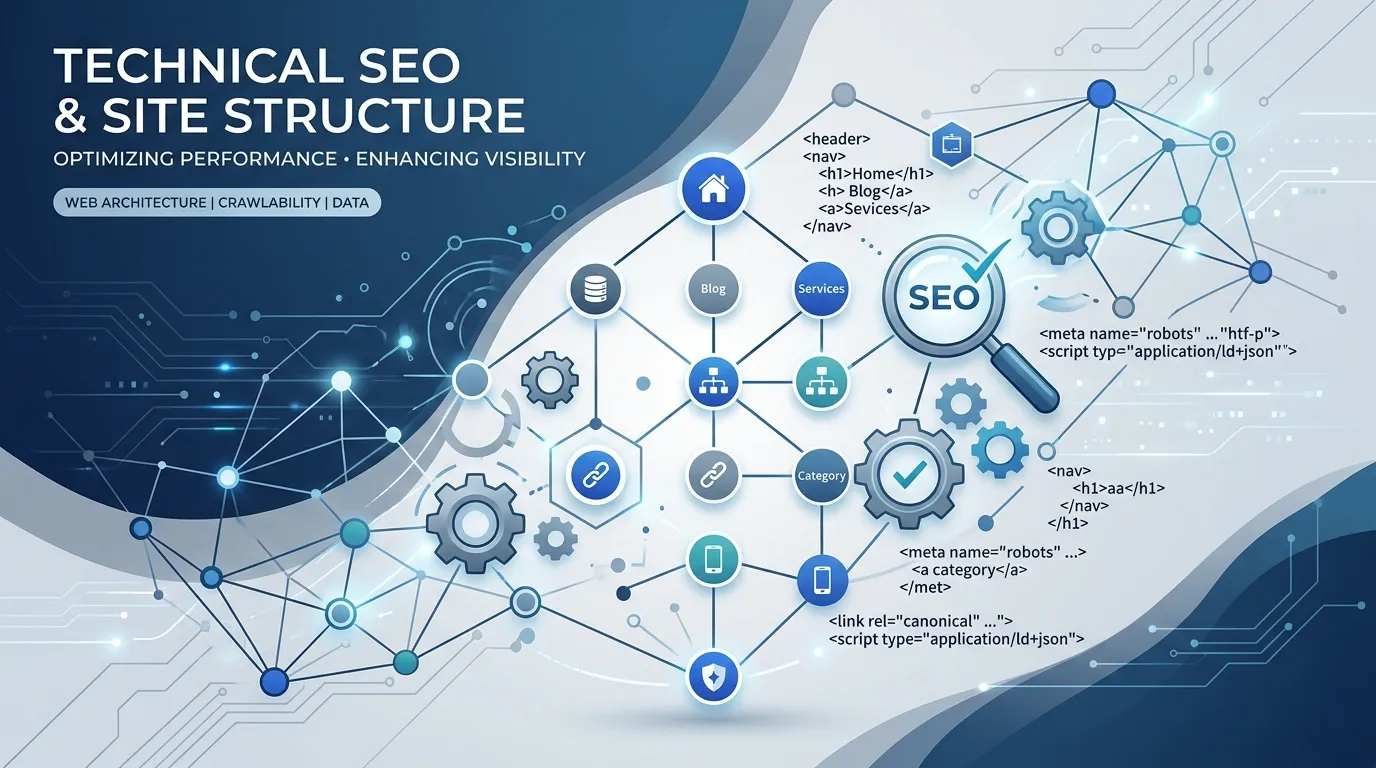
Search engines use automated bots to read your site. You can make their job easier by implementing structured data, also known as schema markup. This code translates your content into a format search bots easily understand.
By adding schema markup, you increase your chances of earning rich snippets in search results. Rich snippets display extra information, such as star ratings, product prices, or recipe cooking times, directly on the search results page. This extra visibility often leads to higher click-through rates.
Types of Structured Data
For e-commerce, consider Product and Review schema. For recipes and how-to guides, use Recipe and HowTo markup. For articles and blog posts, implement Article schema. Applied correctly, schema can lead to enhanced listings and more traffic for your site.
Advanced On Page SEO Optimization
Technical foundations bring search engines to your site, but high-quality content keeps human readers engaged. Your content must answer questions, solve problems, and provide genuine value through rigorous on page SEO optimization. Failing to do so will frustrate users and result in lost rankings.
Strategic Keyword Research and Placement
Effective content begins with thorough keyword research. Identify the specific terms and phrases your target audience uses when searching for your products or services. Use modern analytics tools to find keywords with a healthy search volume and manageable competition.
Once you have your target keywords, place them naturally throughout your content. Include them in your page titles, headings, URL structures, and introductory paragraphs. Avoid keyword stuffing, which harms readability and incurs penalties from search engines.
Long-Tail Keyword Benefits
Long-tail keywords can drive highly qualified traffic that’s more likely to convert. Instead of simply targeting “website optimization techniques,” try to answer questions like “how to speed up website load time” or “best on page SEO optimization tools 2024.”
Creating High-Quality, Engaging Content
Search engines reward content that demonstrates expertise, authoritativeness, and trustworthiness. Write comprehensive articles that thoroughly address the topic at hand. Provide actionable advice, cite credible sources, and update your older posts to keep them relevant. A robust SEO strategy relies heavily on matching search intent with exceptional content.
Engaging content goes beyond plain text. Use relevant multimedia elements like videos, infographics, and custom illustrations to break up long blocks of text. This keeps readers on the page longer and encourages them to share your content across their own networks.
Internal Linking for SEO Success
Link to relevant articles within your website to help both users and search engines discover more of your content. Internal links distribute page authority, encourage longer time on site, and can improve your keyword rankings. Aim to make every piece of pillar content a hub that connects to multiple supporting articles and resources.
Content Readability and Formatting
People rarely read web pages word for word. They scan the page looking for the exact information they need. Make your content highly scannable by using descriptive subheadings, bulleted lists, and short paragraphs.
Aim for a conversational yet professional tone. Keep your sentences concise and use active voice to make your writing more energetic. Proper formatting is one of the easiest website optimization techniques to implement, yet it yields massive improvements in user engagement.
Enhancing Accessibility
Don’t overlook users with disabilities. Use clear alt-attributes for images, high-contrast color schemes, and proper heading levels. An accessible site not only broadens your audience but also sends positive signals to search engines.
Enhancing UX and Conversion Rate Optimization
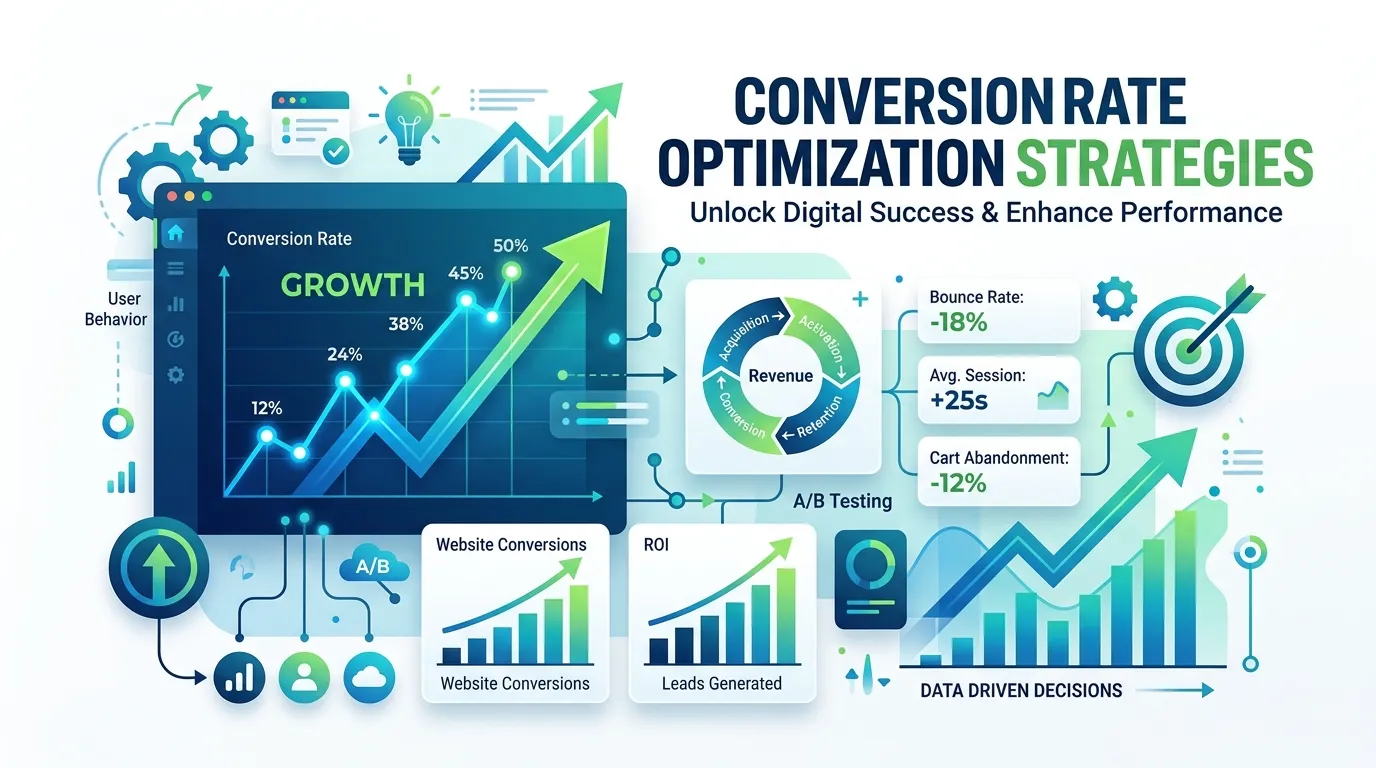
User experience dictates how visitors feel when interacting with your brand. A positive UX builds trust and guides users smoothly toward conversion. Combining UX enhancements with conversion rate optimization ensures your traffic actually generates revenue.
Intuitive Navigation and Site Structure
Your digital architecture should be logical and straightforward. Visitors should never have to guess where to find essential information. Use a clean, organized main menu with clear categories.
Implement breadcrumb navigation to help users understand their current location within your hierarchy. Include a prominent search bar so people can quickly locate specific items, articles, or product pages without endless clicking.
Improving Site Hierarchy
Map out your site structure before you build or update. Keep the top navigation uncluttered—don’t overload visitors with too many choices. For larger websites, use category “silos” to group related pages and help both users and search engines crawl and organize your content more efficiently.
Crafting Compelling Call-to-Actions (CTAs)
Every page on your platform should have a clear purpose. Tell your visitors exactly what you want them to do next using compelling Call-to-Actions. Use action-oriented verbs like “Download,” “Subscribe,” or “Start.”
Ensure your CTAs stand out visually using contrasting colors and ample whitespace. Map out your conversion funnels to identify exactly where users drop off. Simplify your forms, reduce the number of checkout steps, and remove unnecessary distractions from your landing pages.
Placement and A/B Testing of CTAs
Try positioning CTAs at both the top and bottom of pages, and test their effectiveness using A/B experiments. Sometimes a small tweak—like changing the button color or wording—can result in a significant uptick in conversions.
Personalization and User Journey Mapping
Different users visit your site for different reasons. Map out the typical user journeys for your primary buyer personas. Understand the specific touchpoints they encounter from their first visit to their final purchase.
Use personalization tools to tailor the experience based on user behavior. Show recommended products based on past purchases, display dynamic content based on geographic location, or customize email capture pop-ups based on the pages they have previously viewed.
Segmentation for Higher Engagement
Divide your audience into logical segments (e.g., new vs. returning visitors, or buyers vs. browsers). Tailor on-site messaging, offers, and even layouts to the unique needs of each group as part of your website optimization techniques.
Comparing Essential Optimization Tools
To execute these website optimization techniques effectively, you need the right software stack. Below is a comparison of popular tools that assist with technical SEO improvements and website speed optimization.
|
Tool Name |
Primary Function |
Best Used For |
|---|---|---|
|
Google Search Console |
Technical SEO tracking |
Monitoring indexing, mobile usability, and search queries. |
|
PageSpeed Insights |
Website speed optimization |
Measuring Core Web Vitals and load times. |
|
Ahrefs |
On page SEO optimization |
Keyword research, backlink analysis, and content gaps. |
|
Hotjar |
Conversion rate optimization |
Heatmaps and user session recordings to analyze behavior. |
|
Optimizely |
User experience enhancements |
A/B testing page layouts and tracking conversion funnels. |
Other valuable tools include SEMrush for competitive SEO analysis, Screaming Frog for in-depth crawl audits, and Crazy Egg for detailed heatmap visualizations.
Analytics, Monitoring, and Continuous Improvement
Website optimization techniques are not one-time projects. They require continuous tracking and refinement based on hard data.
Utilizing Google Analytics
Set up tracking to monitor user behavior across your entire platform. Monitor metrics like your most popular pages, average session duration, and specific traffic sources. This data tells you exactly which website optimization techniques are working and which need adjustment.
Running A/B Tests
Remove the guesswork from your digital changes by running A/B tests. Test two different versions of a headline, CTA button, or page layout to see which one performs better. Combine A/B testing with heatmap software to visually understand where your audience clicks most frequently.
Using Heatmaps and Scroll Maps
Heatmaps visually represent which parts of your pages attract the most clicks and attention. Scroll maps show how far users travel down a page before dropping off. Analyze these insights to reposition critical information and eliminate distractions.
Committing to Iteration
The digital landscape changes constantly. Search algorithms update, new technologies emerge, and user expectations shift rapidly. Establish a routine for reviewing your performance data. Schedule monthly audits to check for broken links, outdated content, and speed issues. Treat your platform as a living document that requires ongoing care and strategic attention.
Responsive to Industry Changes
Stay informed about Google’s algorithm updates and broader best practices by regularly visiting trusted SEO resources. Make it a habit to read through reliable guides and experiment with new features as part of your continuous learning process.
Additional Website Optimization Techniques
For a truly comprehensive website optimization strategy, consider integrating these advanced practices:
- Implement HTTPS: Secure your site with an SSL certificate. Google favors secure sites, and users are more likely to trust you with their information.
- Local SEO Optimization: For brick-and-mortar or regional businesses, optimize your Google Business Profile and embed maps on your site.
- Content Pruning: Remove or update outdated blog posts and pages that no longer align with your goals. Thin content can dilute your page authority.
- Video and Rich Media Optimization: Compress video files and enable lazy loading for galleries and other rich content to maintain fast site speed.
- User-Generated Content: Enable reviews, testimonials, or Q&A sections. Google rewards fresh, unique content, and buyers trust peer insights.
Frequently Asked Questions
What are the most effective website optimization techniques?
The most effective website optimization techniques combine technical SEO improvements, high-quality content creation, and conversion rate optimization. Balancing these elements ensures your site ranks well and provides a great user experience.
How does website speed optimization affect my rankings?
Search engines prioritize fast-loading pages because they provide a better user experience. Slow sites suffer from high bounce rates, signaling to search engines that the page lacks value, which negatively impacts rankings.
Do I need to know how to code to optimize my site?
While coding knowledge helps with deep technical SEO improvements, you can execute many website optimization techniques using simple plugins. Most modern Content Management Systems offer tools for caching and image compression without writing code.
What is on page SEO optimization?
On page SEO optimization involves optimizing individual web pages to rank higher and earn more relevant traffic. This includes placing keywords strategically in titles, headers, and meta descriptions while ensuring content quality.
How long does it take to see results from optimization?
Technical fixes like website speed optimization often show immediate results in your analytics dashboard. However, changes to your content and broader SEO strategy typically take three to six months to impact organic traffic.
What is conversion rate optimization (CRO)?
Conversion rate optimization is the process of increasing the percentage of visitors who complete a desired action. This involves tweaking page layouts, improving CTA buttons, and simplifying checkout forms to boost sales or leads.
Why is mobile responsiveness so critical?
Over half of all global web traffic originates from mobile devices, making mobile optimization essential. Search engines actively penalize sites that do not adapt to smaller screens, severely limiting your organic reach.
How do I start improving my search rankings?
Begin by conducting a comprehensive audit to identify broken links, slow pages, and missing meta tags. You can then master your search rankings using 10 essential SEO tips to guide your content creation and technical fixes.
What are Core Web Vitals?
Core Web Vitals are a set of specific metrics defined by Google to measure user experience. They focus primarily on loading performance, visual stability, and page interactivity.
How often should I audit my website?
You should conduct a basic audit monthly to catch minor technical issues and broken links. Plan for a comprehensive, deep-dive audit every six months to realign your overall website optimization techniques with current industry standards.
Conclusion
Implementing proven website optimization techniques requires a commitment to constant learning and adaptation. By focusing heavily on technical performance, content relevance, and user experience, you build a resilient digital presence that consistently attracts and converts visitors.
As you move forward, start by conducting a comprehensive audit of your current site speed and mobile responsiveness. Address the critical technical errors first, then move on to refining your content and streamlining your navigation menus. Use concrete data to guide your decisions, and never stop testing new ideas to see what resonates with your audience. Commit to executing these website optimization techniques today, and watch your organic traffic, user engagement, and conversion rates steadily climb.
