



SEO strategy development builds long-term organic growth by combining keyword research, content planning, technical SEO, and link building. A structured roadmap helps improve rankings, attract qualified traffic, and increase conversions through consistent optimization and data-driven decisions.
Every time a potential customer types a query into a search engine, they look for specific answers, products, or services. If your website fails to appear at the top of those search results, you miss out on highly valuable traffic. Securing a prime position on Google requires far more than just publishing a few random blog posts or arbitrarily stuffing web pages with keywords. It demands a comprehensive, well-researched approach to SEO strategy development.
Creating a powerful SEO planning framework involves understanding exactly how search engines evaluate websites and aligning your digital presence to meet those rigorous standards. A meticulously crafted search engine optimization roadmap ensures your content reaches the correct audience at the exact moment they need your expertise. It builds brand trust, drives consistent visitors, and ultimately increases your overall revenue.
This comprehensive guide breaks down the entire process of SEO strategy development. We will explore how to identify the best keywords, optimize your web pages, build strong technical foundations, and construct a reliable organic traffic growth strategy. By the end of this article, you will possess a clear, actionable blueprint to elevate your website’s visibility and consistently outrank your industry competitors.
Understanding the Fundamentals of SEO Strategy Development
Before you dive into advanced marketing tactics, you need to master the foundational elements of search visibility. A solid SEO planning framework ensures that all your subsequent optimization efforts build upon a stable, reliable base.
What is SEO Strategy Development?

SEO strategy development is the systematic practice of planning, outlining, and implementing steps to improve your website’s organic search rankings. When your web pages rank higher for relevant search queries, they capture more attention and attract prospective customers to your business. Unlike paid advertising campaigns that stop generating traffic the moment your budget runs out, a proper organic traffic growth strategy acts as a long-term digital investment.
An effective search engine optimization roadmap provides a steady stream of qualified leads and sales without the recurring costs of pay-per-click ads. It requires continuous analysis, consistent content creation, and technical refinements to keep pace with changing search engine algorithms.
Why SEO Strategy Development Is Non-Negotiable
In today’s digital marketing landscape, the competition for organic visibility is fiercer than ever. Users trust organic results far more than sponsored links, and top-ranking pages enjoy a cumulative increase in clicks and conversions. With Google’s algorithm employing over 200 ranking factors, developing a holistic SEO strategy is vital—not only for achieving success but also for sustaining it over time. A proactive approach to SEO strategy development protects your site from disruptive algorithm updates and industry shakeups by ensuring all bases, from content to technical foundations, are covered.
Key Components of an SEO Planning Framework
A successful SEO strategy development process rests on several critical pillars. Neglecting any of these elements will severely limit your overall search engine success.
- Content and keyword strategy: Dictates the specific topics and search terms your target audience cares about.
- On-page optimization: Ensures your content remains highly relevant and easily readable by search engine crawlers.
- Technical SEO: Provides a flawless, fast experience for both human users and indexing bots.
- Off-page SEO: Builds your website’s authority, trust, and credibility across the broader internet ecosystem.
The Role of Analytics in SEO Strategy Development
Data-driven decision-making is foundational for every aspect of SEO strategy development. Harness platforms like Google Analytics and Google Search Console to collect actionable insights, track user behaviors, and uncover bottlenecks or opportunities in your current strategy. An analytics-first mindset maintains the agility required to adapt to shifting trends, consumer preferences, and algorithmic updates without losing sight of your growth goals.
Building Your Search Engine Optimization Roadmap
To achieve sustainable results, you need a structured search engine optimization roadmap. This document guides your team through the necessary phases of optimization, keeping everyone aligned with your core business objectives.
Formulating an Organic Traffic Growth Strategy
Your organic traffic growth strategy should outline clear, measurable goals. Do you want to increase blog readership by 50% over the next six months? Are you trying to double the organic sales on your e-commerce product pages? Defining these targets early in your SEO strategy development prevents wasted effort and keeps your marketing budget focused.
Setting Meaningful SEO KPIs and Milestones
Careful selection of KPIs—like page impressions, keyword ranking shifts, engagement metrics, or conversion rates—makes the search engine optimization roadmap actionable. Setting interim milestones (monthly or quarterly) encourages regular check-ins, so you can spot minor issues before they become major obstacles. An effective SEO strategy development cycle should include dedicated review periods to analyze performance and recalibrate tactics as needed.
The Search Engine Optimization Roadmap Timeline
Implementing an SEO planning framework takes time. Use the following table to structure your search engine optimization roadmap across a standard six-month campaign:
|
Phase |
Timeline |
Key Focus Area |
Primary Deliverables |
|---|---|---|---|
|
Phase 1 |
Month 1 |
Technical Audit & Research |
Keyword lists, site speed fixes, XML sitemaps. |
|
Phase 2 |
Month 2 |
Content and Keyword Strategy |
Content calendars, on-page optimization, meta tags. |
|
Phase 3 |
Months 3-4 |
Content Creation |
Publishing new articles, optimizing existing pages. |
|
Phase 4 |
Months 5-6 |
Link Building & Off-Page SEO |
Guest posting, digital PR, earning authoritative backlinks. |
Involving Stakeholders and Creating Accountability
True success in SEO strategy development comes from teamwide collaboration and accountability. Establish clear responsibilities for each team member involved in the organic traffic growth strategy—whether it’s content writers, SEOs, developers, or outreach specialists. Schedule regular meetings to review progress against your search engine optimization roadmap and ensure everyone is aligned with organizational goals.
Crafting a Winning Content and Keyword Strategy
Keywords act as the critical bridge between what people search for and the content your business provides. Executing proper research forms the very first step in your content and keyword strategy.
Identifying High-Impact Keywords
High-impact keywords possess a healthy monthly search volume and align perfectly with your business goals. Utilizing professional tools allows you to uncover the exact search terms your target market types into Google. When building your content and keyword strategy, always focus heavily on search intent. You must determine if users want to buy a product, or if they simply seek educational information.
Expanding Keyword Discovery Tactics
Go beyond standard brainstorming by engaging in competitor analysis, social listening, and using tools like Google Trends to spot emerging keyword opportunities. Surveying your existing customers about the words they use to describe your products or services often unveils less obvious, highly valuable search queries. Expanding the breadth of your keyword research is key to long-term SEO strategy development.
Matching your web pages to the correct user intent remains vital for executing a successful SEO strategy development plan.
Leveraging Long-Tail Keywords
Broad keywords remain highly competitive and notoriously difficult to rank for. Long-tail keywords, which are longer and much more specific phrases, offer a highly valuable alternative within your SEO planning framework. While they attract lower search volumes, they feature dramatically lower competition and much higher conversion rates.
Integrating the Content and Keyword Strategy
A user searching for “running shoes” is likely just browsing. However, a user searching for “men’s waterproof trail running shoes size 10” stands ready to make an immediate purchase. Incorporating these long-tail variations into your content and keyword strategy helps capture highly qualified traffic and forms the core of a smart organic traffic growth strategy. Read the beginner’s guide to content strategy here
Mapping Keywords to the Buyer’s Journey
A mature SEO strategy development process maps target keywords to different stages of the buyer’s journey—awareness, consideration, and decision. Build a balanced content inventory so you reach new visitors researching broadly and later connect with motivated buyers in the final stage. Cross-linking these resources strengthens your search engine optimization roadmap and reinforces topical authority.
On-Page Optimization for Your SEO Planning Framework
On-page optimization involves refining individual web pages to rank higher and earn more relevant search traffic. This aspect of SEO strategy development rests entirely within your direct control.
Crafting Compelling and Relevant Content
Content remains the most important factor in any search engine optimization roadmap. Search engines consistently reward web pages that provide comprehensive, accurate, and highly engaging information. You must write for your human audience first, ensuring your text is easy to read and directly relevant to their search query. Break up large blocks of text with clear headings, bulleted lists, and tables.
Enhancing Readability and Engagement
Use visuals, infographics, tables, and multimedia to break up the monotony of text and make your content more shareable and easier to consume. Interactive content—like calculators, quizzes, or custom tools—encourages greater dwell time and social sharing, further signaling relevance to search engines and strengthening your organic traffic growth strategy.
A positive user experience keeps visitors engaged on your website longer, which sends incredibly positive ranking signals to search algorithms. This drives the success of your organic traffic growth strategy.
Optimizing Meta Tags, Headers, and URLs
Meta titles and meta descriptions act as your digital billboard in the search results. They should read enticingly and include the primary terms from your content and keyword strategy.
- Header tags (H1, H2, H3): Structure your content logically, helping search engines understand the informational hierarchy of your page.
- URL structure: Ensure your URLs remain short, highly descriptive, and keyword-rich.
- Internal linking: Connect your pages together to distribute authority throughout your website.
Properly managing these elements solidifies your SEO planning framework and pushes your search engine optimization roadmap forward.
Utilizing Internal Linking Wisely
A key, but often overlooked, on-page optimization tactic for strong SEO strategy development is internal linking. Proper internal links pass link equity and help both users and search engine crawlers efficiently explore your website, which elevates lesser-known pages and keeps your site architecture healthy.
Optimizing for Featured Snippets
Aspire to capture Google’s featured snippets by structuring your content to present clear, concise answers to common questions. Summaries, bullet lists, or direct response formats improve your chances of occupying “position zero” and drive incremental organic traffic growth.
Technical SEO: The Backbone of SEO Strategy Development

Even the most brilliant content will fail to rank if search engines cannot access, crawl, or understand your website. Technical SEO ensures your site operates flawlessly, acting as the invisible engine behind your organic traffic growth strategy.
Site Speed and Mobile-Friendliness
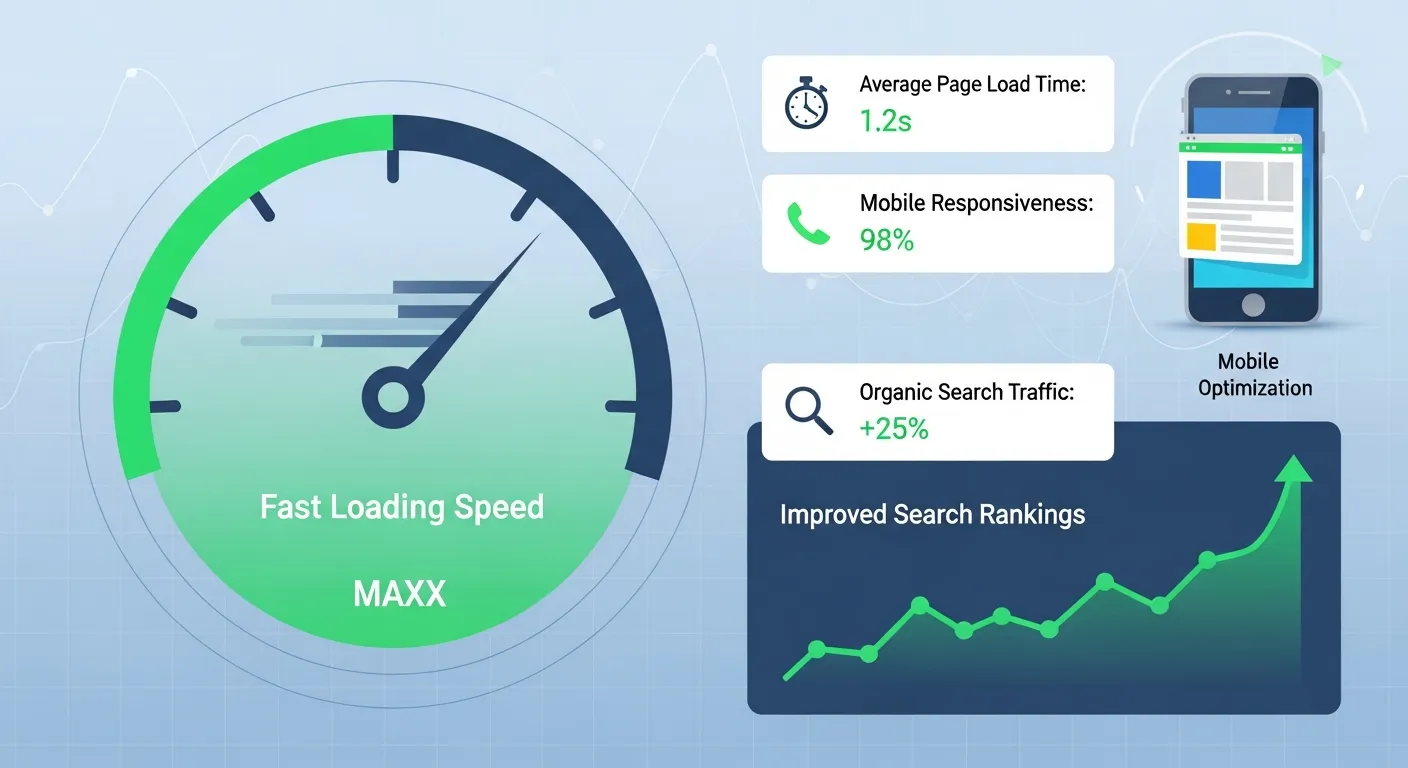
Modern internet users expect websites to load instantly. Search engines actively penalize slow-loading sites because they provide a frustrating user experience. You must compress image files, leverage browser caching, and upgrade your server hosting if necessary.
Additionally, a site’s mobile usability is critical. Responsive web design, touch-friendly navigation, and concise mobile-first layouts are non-negotiable in modern SEO strategy development. Google’s mobile-first indexing means your site’s mobile version is the one that primarily determines rankings.
Advanced Technical SEO Tactics
- Core Web Vitals: Google’s metrics for load speed, interactivity, and visual stability should consistently be in the green zone.
- Canonicalization: Use canonical tags to avoid duplicate content issues across different versions of similar pages.
- Structured Data Markup: Implement schema.org tags to help search engines understand your page context, potentially leading to rich results.
XML Sitemaps and Crawlability
An XML sitemap functions as a digital roadmap for search engine crawlers, listing every important page on your website. Submitting this sitemap via Google Search Console ensures crawlers discover and index your content efficiently. Proper crawlability remains a non-negotiable step in your search engine optimization roadmap.
Regular Technical Audits
Set recurring intervals to audit your website with tools like Screaming Frog or Sitebulb. Quickly identify and resolve crawl errors, broken links, misplaced redirects, or orphaned pages. Healthy site architecture is a pillar of any robust SEO planning framework.
Advanced Off-Page SEO for Sustainable Growth
Off-page SEO activities elevate your website’s authority and increase your chances of ranking for competitive keywords.
Link Building and Digital PR
Quality backlinks remain a primary ranking factor. Take a strategic approach to outreach, targeting reputable sites and industry leaders. Develop mutually beneficial partnerships, submit thought leadership articles, and invest in digital PR. Avoid shortcuts; white-hat strategies are essential for long-term SEO strategy development.
Brand Mentions and Reputation Management
Earned brand mentions—even unlinked—can influence how search engines view your domain authority and trustworthiness. Proactively managing your online reputation by monitoring reviews, responding to customers, and soliciting positive feedback should be integral to your search engine optimization roadmap.
Leveraging Social Media and Community Engagement
Participate in industry forums, comment thoughtfully on relevant blog posts, and engage audiences on social platforms to amplify your high-value content. While social media isn’t a direct ranking factor, increased visibility helps generate natural backlinks and provides multiple touchpoints for organic traffic growth.
Continuous Improvement and Reporting in SEO Strategy Development
A crucial, ongoing step in SEO strategy development is reporting on progress and refining your approach. Stay agile by segmenting organic traffic sources, digging deep into user intent metrics, and tracking conversions, not just visits.
Maintaining Competitive Intelligence
Monitor competitor strategies regularly to adapt your own search engine optimization roadmap. Set up alerts for changes in rankings, new inbound links, or sudden traffic spikes. Competitor successes and failures offer lessons on what works—saving you effort and time in your own SEO endeavors.
Staying Updated with Industry Changes
Subscribe to reputable SEO blogs, Google’s official updates, and leading newsletters. Training your team on industry best practices and algorithm changes reduces risk and boosts your SEO planning framework’s resilience.
SEO Strategy Development for International and Multi-Language Sites
If your business targets a global audience, apply international SEO tactics like hreflang tags, local hosting/CDNs, and region-specific keyword research. Localize—not just translate—your content and meta data for every market. Structuring your site’s architecture correctly for different regions/languages prevents duplicate content issues and aids in a regional organic traffic growth strategy.
Measuring and Refining Your Organic Traffic Growth Strategy
An effective SEO planning framework requires continuous monitoring and data-driven optimization. Making decisions based on hard analytics helps you refine your approach over time.
Key Performance Indicators (KPIs)
Tracking the correct metrics ensures your SEO strategy development aligns directly with your primary business goals. You should closely monitor your organic traffic volume, specific keyword rankings, and average click-through rates.
More importantly, track vital conversion metrics such as lead form submissions, newsletter signups, or product sales generated directly from organic search. These KPIs demonstrate the true financial return on investment of your organic traffic growth strategy. Regularly reviewing these numbers keeps your search engine optimization roadmap on the path to success.
Frequently Asked Questions
What is SEO strategy development?
SEO strategy development is the comprehensive process of planning, creating, and implementing specific steps to improve a website’s organic search engine rankings. It involves keyword research, content creation, technical website improvements, and off-page link building. A successful strategy aligns your digital assets with the exact algorithms search engines use to rank content.
How do I create a search engine optimization roadmap?
You create a search engine optimization roadmap by auditing your current website performance and setting measurable organic traffic goals. Next, you break your goals into actionable monthly phases covering technical fixes, content creation, and link building. This roadmap acts as a guiding timeline to keep your marketing team focused on high-impact SEO tasks.
What is an SEO planning framework?
An SEO planning framework is a structured methodology that organizes your search marketing efforts into distinct, manageable categories. It typically includes pillars like technical SEO, on-page optimization, content strategy, and off-page authority building. Using a framework ensures you do not overlook critical ranking factors while executing your daily marketing tasks.
How does a content and keyword strategy improve rankings?
A carefully researched content and keyword strategy tells you exactly what phrases your target audience uses when searching online. By creating high-quality content that specifically answers those queries, you signal to search engines that your page is the most relevant result. This strategic matching of user intent directly leads to higher positions on search engine results pages.
What is the best organic traffic growth strategy?
The best organic traffic growth strategy combines publishing deeply informative, keyword-optimized content with building a technically flawless website. It requires consistency, patience, and a focus on acquiring authoritative backlinks from respected websites in your industry. Continuously updating older content to maintain relevance also plays a massive role in steady traffic growth.
How long does SEO strategy development take to show results?
Proper SEO strategy development usually takes between three to six months to begin showing significant, measurable improvements in search traffic. Search engines require time to crawl your new content, evaluate your technical optimizations, and register your new backlinks. It is a long-term marketing investment rather than a quick fix for immediate sales.
Do I need an agency for my search engine optimization roadmap?
Many businesses manage basic SEO tasks internally, but partnering with a specialized agency can drastically accelerate your search engine optimization roadmap. Agencies bring advanced tools, technical expertise, and dedicated resources to scale your campaigns efficiently.Learn more about what an SEO company does
What metrics track an organic traffic growth strategy?
You should track several key performance indicators to measure your organic traffic growth strategy, including total monthly organic sessions and average keyword ranking positions. Additionally, monitor your organic conversion rate to ensure the traffic arriving at your site actually takes valuable actions. Bounce rate and pages per session also indicate the quality of your incoming traffic.
How often should I update my content and keyword strategy?
You should review and update your content and keyword strategy at least once every quarter to remain competitive in search results. Search trends shift, user behaviors evolve, and competitors constantly publish new material that could outrank your existing pages. Regular audits ensure you target the most current, high-value search terms available in your industry.
What role does technical SEO play in an SEO planning framework?
Technical SEO forms the foundation of your entire SEO planning framework because it ensures search engines can actually access and read your website. If your site suffers from slow load times, broken links, or poor mobile design, search engines will penalize your rankings regardless of content quality. It clears the path for your content to perform well organically.
With careful research, ongoing analysis, adoption of industry best practices, and a commitment to high-quality content, any business can excel in SEO strategy development. The field continues to evolve, emphasizing user intent, technical mastery, and relevance more than ever. Take the time to build, refine, and expand your SEO planning framework—it will empower your business to reach more customers, improve conversion rates, and lead in your digital marketplace for years to come.
