


This SEO crash course explains how search engines work, keyword research, on-page and technical SEO, link building, and performance tracking. It helps beginners build a strong foundation to increase rankings, traffic, and long-term growth.
Search engine optimization can feel like a complex puzzle when you first start. You build a beautiful website, launch it, and wait for visitors to arrive. Weeks pass, and the traffic remains flat. The missing piece is often a solid strategy to capture organic search traffic.
Every time someone types a query into a search engine, a highly sophisticated algorithm decides which pages deserve to appear at the top. Earning one of those top spots can transform your business. High search rankings bring consistent, free traffic from people actively looking for what you offer.
This guide serves as your comprehensive SEO crash course. We will break down the exact strategies you need to climb the search results and capture your audience’s attention. By mastering these fundamentals, you will gain the knowledge required to turn your website into a powerful growth engine. Welcome to the only SEO basics guide you need to get started.
Understanding Search Engines: How They Work and Rank Content
The Role of a Search Engine in Your Website’s Success
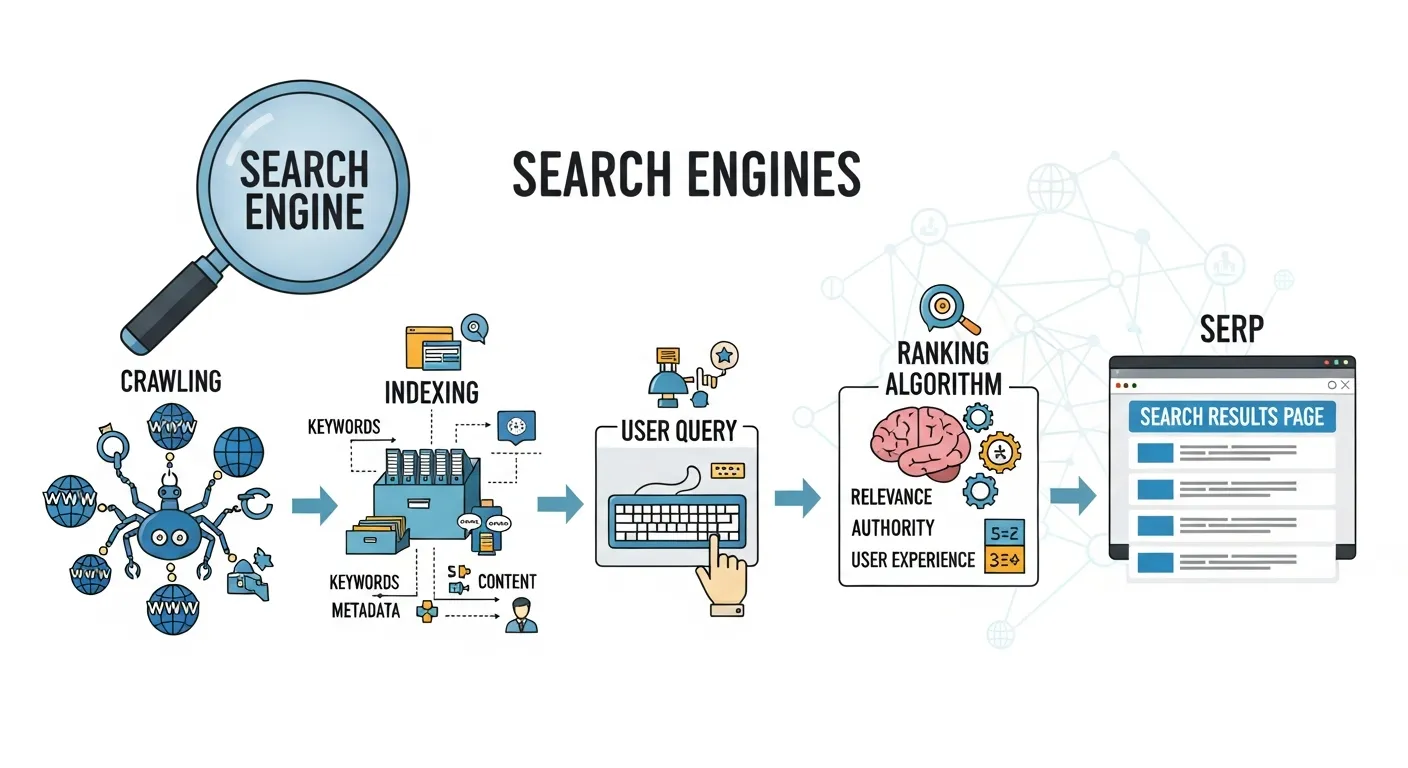
Before diving deeper, it’s important to understand that every search engine operates with a singular focus—to deliver the most relevant and high-quality answers to users’ questions. Your goal in this SEO basics guide is to make sure your website is both discoverable and valuable so that the search engine recognizes it as a top candidate in the rankings. This is the heart of any optimization tutorial.
Real-World Example: Competing in a Crowded Niche
Suppose you launch a website in a saturated industry, like travel blogs. If your SEO crash course efforts are not up to par, a search engine will favor competitors who have already built trust and have comprehensive optimization tutorial content. By following a structured SEO basics guide and beginner SEO training, you can systematically close this gap and challenge even the big players.
The Crawling and Indexing Process
These bots scour the internet, following links from one page to another. As they find new content, they add it to a massive database called an index. When a user performs a search, the search engine sifts through this index to find the best matches. If your website is not indexed, it simply does not exist to search engines.
- Example: If you launch a new blog on hiking gear, but don’t submit your sitemap to Google Search Console or build any links, your site may not be found by search engines for weeks or even months.
Pro Tip: Use tools in your optimization tutorial, such as Screaming Frog, to audit which of your URLs are indexed and flag any crawl errors. This enhances your SEO crash course efforts and keeps your site visible.
How the Ranking Algorithm Works
Ranking happens in milliseconds. The search engine algorithm evaluates hundreds of ranking factors, such as:
- Keyword relevance: Does the page answer the searcher’s query?
- Site speed: Does the site load fast enough to keep the user engaged?
- Backlinks: How many reputable websites link to your page as a credible resource?
- User signals: Do visitors stay on your page or bounce away quickly?
Understanding these principles is the absolute foundation for any successful SEO crash course and should be central to any optimization tutorial, especially for those pursuing beginner SEO training.
Keyword Research: Finding the Right Keywords for Your Niche

Why Keyword Research Is the Bedrock of Any SEO Strategy
Keyword research steers the direction of your SEO basics guide. With the right data, your SEO crash course will help you identify phrases your audience uses at every stage of their buying journey.
Steps for Effective Keyword Research
- Brainstorm Seed Topics:
-
- Think about what your audience might search for related to your products or services.
- Example: For a running gear site, start with topics like “best running shoes,” “running tips,” and “nutrition for runners.”
- Expand with Keyword Tools:
-
- Use tools such as Google Keyword Planner, Ubersuggest, or Ahrefs Keyword Explorer to find new search terms and analyze metrics like search volume and competition.
- Assess Competitiveness:
-
- Look for a balance between search volume and keyword difficulty.
- Target long-tail keywords—phrases of three or more words—that are specific and less competitive.
- Example: Instead of “SEO,” use “beginner SEO training for bloggers.”
- Map Search Intent:
-
- Identify whether a keyword is informational, navigational, or transactional.
- Informational: “SEO crash course for students”
- Transactional: “buy SEO checklist pdf”
- Navigational: “Search Engine Journal SEO section”
Building a Keyword List for Your Site
Focus on primary and secondary keywords for every new page. The primary keyword should align directly with your content’s purpose, while secondary keywords allow your page to capture more traffic.
SEO Crash Course Case Study:
A local bakery wanted to boost their presence in search engines. By incorporating keywords like “artisan bread near me” (primary) and “organic bakery in [City]” (secondary), they climbed to the top of local results. This is a proven beginner SEO training tactic advised in many optimization tutorial guides.
On-Page SEO Fundamentals: Optimizing Content and Structure
Improving your site with on-page SEO is a critical lesson in any SEO crash course. On-page efforts directly impact how search engines interpret and rank your site.
Crafting Compelling Meta Tags
Meta tags (title and description) are the first things a user sees in search results. Try to:
- Place primary keywords at the start of your titles.
- Write engaging meta descriptions that entice clicks, summarizing your page’s value and including your SEO basics guide terms.
Example:
If your blog post is on “10 Simple Steps to Start a Blog,” a good title tag could be “Start a Blog in 10 Steps — SEO Crash Course for Beginners.” Meta descriptions should briefly explain what the reader will gain, such as “Discover the ultimate SEO crash course with step-by-step beginner SEO training and optimization tutorial tips.”
Writing Exceptional Content
High-quality, comprehensive content is the backbone of your optimization tutorial. Answer the intent behind the query thoroughly, use various media types (like images or infographics), and ensure your writing is clear and concise.
- Tip: Naturally integrate your keywords into your content, headers, and introduction without keyword stuffing.
Expert Advice:
According to most search engine optimization tutorials, pages with 1,500+ words tend to rank higher. Make sure every article in your SEO basics guide answers all possible reader questions.
Proper Heading Structure
Headings organize your content both for the user and for search engines. Structure your SEO crash course content as follows:
- H1: Use only one for the page title.
- H2: Divide your main topics (e.g., On-Page SEO Fundamentals).
- H3: Break down H2 sections into more detail (e.g., Crafting Meta Tags).
This logical structure is essential in any SEO basics guide, beginner SEO training, or optimization tutorial.
Enhancing Internal Linking
Add links to related articles or relevant subpages to keep users engaged and guide crawlers through your site. Internal linking distributes link equity and improves user experience.
SEO Crash Course Checklist:
- Use descriptive anchor text (“see our SEO basics guide” instead of “click here”).
- Link from high-traffic pages to new or underperforming content.
- Update old posts with links to your newest optimization tutorial articles.
On-Page SEO Checklist
|
Element |
Optimization Tips |
SEO Impact |
|---|---|---|
|
Title Tag |
Use the main keyword, keep it under 60 characters |
High |
|
Meta Description |
Write clear, enticing summaries, under 160 characters |
Medium |
|
Header Tags |
Use H1 once, organize with H2/H3 for clarity |
High |
|
Images |
Use descriptive file names and alt text |
Medium |
|
Internal Links |
Link to relevant internal pages or blog posts |
High |
For a deeper dive into these strategies, read this guide on on-page SEO to further refine your optimization tutorial.
Beginner SEO Training Tip:
Review your top-performing pages with this checklist every quarter. Simple on-page tweaks can boost ranking without rewriting entire articles.
Technical SEO: Ensuring Your Site is Search Engine Friendly

Mastering Technical SEO for Beginners
Technical SEO refers to improvements made behind the scenes but is essential in any SEO crash course and SEO basics guide. Even the most well-written content can’t rank if search engines can’t crawl or index the site. This section of your optimization tutorial covers everything from site speed to advanced schema markup.
Core Technical Elements
1. Site Speed and Performance:
A fast site is a ranking signal and a fundamental part of any beginner SEO training. Compress images, leverage browser caching, and use fast hosting to keep your site under three seconds load time.
- Case Study:
An online shop reduced its homepage load time from 5 seconds to 2.1 seconds by compressing images and minifying scripts. This single change doubled their search engine traffic in one month—a dramatic result from a basic SEO crash course fix.
2. Mobile-First Design:
Most users browse from mobile devices, so responsive design is not optional—it’s required for any modern SEO basics guide.
3. Secure Your Website:
Always use HTTPS to safeguard your visitors’ data and gain a minor ranking boost.
4. Structured Data:
Add schema markup to highlight important elements (e.g., breadcrumbs, star ratings). Structured data helps your listings stand out in SERPs.
Solving Technical SEO Issues
Solve issues such as duplicate content, broken links, or redirect errors using tools linked earlier in this SEO basics guide. Consolidate duplicate pages with canonical tags and regularly audit your site for technical flaws.
Sitemaps and Robots.txt
Submit updated XML sitemaps to each search engine via their webmaster tools. Double-check your robots.txt file to avoid blocking important resources or pages from crawlers.
Off-Page SEO: Building Authority and Backlinks
Building site authority is central to long-term success in your SEO crash course.
The Power of Link Building
Backlinks act as votes of confidence for your content. High-value links from reputable sites propel you higher in the search engine rankings.
Effective Link-Building Strategies:
- Guest posting on relevant industry blogs.
- Publishing data-driven infographics people naturally reference.
- Creating ultimate guides or SEO basics guides for others to link to.
- Reclaiming broken or unlinked brand mentions.
- Participating in expert roundups in your niche.
- Case Example:
A SaaS startup used a structured link-building campaign combined with their optimization tutorial content and saw their organic leads increase by 80% in just four months.
Social Media and Brand Mentions
An optimization tutorial should always mention social media, which doesn’t provide direct ranking signals but amplifies visibility. Increased exposure brings more opportunities for shares and organic links.
Building Relationships for Off-Page SEO
Network with influencers, webmasters, and journalists in your niche. Relationships can lead to quality backlinks and new collaborations that enhance your site’s reputation.
Common Backlink Types
|
Backlink Type |
Description |
SEO Value |
|---|---|---|
|
Editorial |
Earned from another site naturally |
High |
|
Guest Post |
Article submission with link back |
Medium/High |
|
Directory |
Listing in a reputable directory |
Medium |
|
Social Profile |
Links from official social media |
Low/Medium |
Pro Tip:
Monitor your backlink profile with tools from your SEO crash course, and disavow any toxic links that could harm your site’s reputation in the search engine.
Measuring Success: Metrics to Track
Monitoring Organic Traffic and User Behavior
Use Google Analytics to track the performance of your SEO crash course. Some key metrics to monitor:
- Sessions and users from organic search.
- Bounce rate (leaving quickly may mean issues with your optimization tutorial).
- Average session duration.
- Pages per session and exit rate.
Real Results with Beginner SEO Training
A fitness coach tracked her “SEO crash course” campaign in Google Analytics. By tweaking on-page optimization, she reduced bounce rate by 40% and doubled organic lead conversions from her SEO basics guide.
Tracking Keyword Rankings
Beginner SEO training often emphasizes tracking your rankings. Tools like SEMrush or Ahrefs show your positions for target keywords, making it simple to see progress and spot underperforming pages. Track movement for both your main keyword and secondary phrases.
Analyzing Backlink Profiles
A healthy, growing backlink profile signals trust and authority to each search engine. Review new and lost links, anchor text distribution, and referring domains regularly.
Goal Tracking and Conversion Optimization
Assess how well your optimization tutorial drives leads, purchases, or signups. Set up conversion goals in Google Analytics for direct measurement.
- Quick Tip:
Use A/B testing to optimize lead forms or calls-to-action on high-traffic SEO basics guide pages.
Local SEO: Winning Your Geographic Market
Local optimization should be a module in your beginner SEO training, especially for service-based businesses.
Google Business Profile Optimization
- Claim and verify your business.
- Fill out every section with accurate and current details.
- Encourage customers to leave positive reviews.
- Add photos and respond to feedback to increase engagement.
Building Local Citations
Ensure your business name, address, and phone number (NAP) are consistent on all directories. This consistency is a core concept in any comprehensive SEO basics guide and helps the search engine trust your information.
Content for Local SEO
Create location-based landing pages and blog posts. Example: “Best pizza in [City Name]” to capture geo-targeted search traffic.
Local SEO Case Study
A plumbing company followed this SEO crash course advice, optimized their Google Business Profile, and published neighborhood-specific articles in their optimization tutorial. In six months, calls from local search tripled, with more than half mentioning they found the company through a search engine.
Advanced SEO Concepts and Continued Learning
The Role of User Experience (UX) in SEO
Search engines increasingly value user satisfaction.
- Easy navigation, fast load times, and compelling calls to action improve both ranking and conversion rates.
- Implementing clear site architecture as outlined in your SEO basics guide makes navigation seamless.
The Importance of Content Freshness
Regularly update old articles in line with your optimization tutorial and add new insights or data. Search engines favor active websites with current resources.
Voice Search and New Technology
With the rise of virtual assistants, optimize your SEO crash course content for voice search phrases (longer, conversational).
- Use more questions and natural language in your headings and paragraphs.
- Example: Optimize for “What’s the best SEO basics guide for beginners?” instead of just “SEO basics guide.”
Common SEO Mistakes to Avoid
- Ignoring search intent when planning content.
- Stuffing keywords unnaturally, harming readability and rankings.
- Neglecting mobile usability and site speed.
- Forgetting to update old content.
- Using unchecked “black hat” strategies addressed in every responsible SEO crash course and SEO basics guide.
Summary: Key Elements for SEO Success
|
Area |
Core Action Items |
|---|---|
|
Keyword Research |
Use tools, target intent, track long-tails |
|
On-Page Optimization |
Optimize content, meta tags, headers, and images |
|
Technical SEO |
Speed, mobile, security, crawlability checks |
|
Off-Page SEO |
Build strong backlinks, foster brand mentions |
|
Performance Measurement |
Track traffic, search engine rankings, and conversions |
|
Local SEO |
Claim local profiles, maintain NAP consistency |
|
Continuous Improvement |
Update content, learn trends, adjust strategies |
Final Thoughts: Growing with Your SEO Crash Course
SEO offers one of the highest returns of any marketing channel when done consistently. By following this SEO crash course, you’ll master all the core concepts in any SEO basics guide and learn how to adapt as the search engine landscape evolves.
Commit to applying, measuring, and refining each optimization tutorial step from beginner SEO training. Stay persistent, update your site regularly, and never stop tracking your progress. With this knowledge, you’re well on your way to search engine success and long-term online growth.
Real Success Story from a Beginner SEO Training Graduate:
One business owner credits an SEO crash course for transforming his company website from obscurity to a top 3 ranking for multiple keywords in just nine months. By following a structured SEO basics guide and investing in optimization tutorial training, he not only increased web traffic but converted readers into paying customers.
In summary, effective search engine optimization is about building a lasting, trustworthy presence online. Stay focused on quality, provide value at every click, and continuously invest in your SEO education—your future rankings will thank you.
SEO Crash Course FAQ
What is an SEO crash course and who should take it?
An SEO crash course is an intensive, beginner-friendly training designed to teach the fundamentals of search engine optimization in a short period. It is perfect for business owners, marketers, or anyone seeking to drive more organic traffic without hiring expensive consultants.
How long does it typically take to see results from a beginner SEO training?
On average, it takes two to six months to start noticing improvements in search rankings and organic traffic. Factors like competition, site age, and your level of on-page SEO fundamentals play significant roles in your timeline.
Do I need coding skills for SEO success?
No, but basic HTML knowledge can be helpful. Most SEO basics guide instructions are achievable with visual editors and plugins. However, understanding how to edit meta tags or add alt text may require some light technical effort.
What’s the most vital element in a beginner SEO training program?
Mastering keyword research is the cornerstone. Without targeting the right phrases and aligning them with your audience’s intent, even a perfect website may struggle to attract relevant visitors. Focus on building your foundation with targeted keywords.
What are on-page SEO fundamentals every new site owner must implement?
Every new site should focus on unique, keyword-rich title tags, well-crafted meta descriptions, clear headings, quality content, and optimized images. This foundation helps search engines understand and index your pages correctly.
How can I develop a sustainable SEO strategy for continuous growth?
Map out long-term content goals, regularly update your site, and monitor analytics for opportunities and weaknesses. For deeper planning, see this ultimate SEO strategy development guide for practical frameworks to support ongoing improvement and growth.
Why are backlinks so crucial for my SEO crash course results?
Backlinks serve as endorsements from other reputable websites, boosting your credibility with search engines. Quality over quantity is key—one authoritative link can have a greater effect than dozens of low-quality sources.
What tools should be part of my optimization tutorial toolkit?
Must-haves are Google Analytics and Google Search Console. Paid options like Ahrefs and SEMrush provide advanced keyword and backlink tracking, while free browser plugins help check on-page optimizations and performance.
How do I avoid the most common SEO mistakes?
Stay focused on search intent, write for readers, avoid keyword stuffing, and consistently update old content. Follow the latest SEO basics guide best practices, and always test your site’s speed and mobile usability.
When is it time to update or refresh my SEO crash course content?
Refresh content yearly or whenever you see drops in rankings and traffic. Add new insights, update outdated data, and incorporate trending keywords or topics to keep your resources competitive in the search engine results.
